
Designing for the Next Generation: How Community Bank Branches Appeal to Gen Z

At K4 Architecture + Design, we spend a great deal of time receiving feedback and studying how people interact with space, what they expect from environments, and how design can support both operational needs and human connection. One of the most pressing challenges financial institutions face today is designing for Gen Z—the generation born between roughly 1997 and 2012.


Gen Z currently makes up 18% of the total workforce; within the next five years that number could reach 30% or more. This is a generation that financial institutions need to take notice of. Gen Z are opening accounts, taking out loans, and beginning to shape the future of financial services. While they’ve been called “digital natives,” their expectations of physical spaces, especially bank branches, are anything but one-dimensional. They want more than transactions; they want environments that feel authentic, community-minded, flexible, and designed with their values in mind.


So what does that mean for community bank branch design? Let’s explore the strategies that will help financial institutions not just capture Gen Z’s attention, but earn their long-term loyalty.


1. Transparency and Authenticity in Design

Gen Z is highly attuned to whether a brand feels authentic. They can spot insincerity quickly and are drawn to businesses that live their values, not just market them. In branch design, that translates into transparency and honesty in materiality and layout. For example:


  • Open floor plans that replace barriers and glass offices with approachable, collaborative spaces signal accessibility and trust.
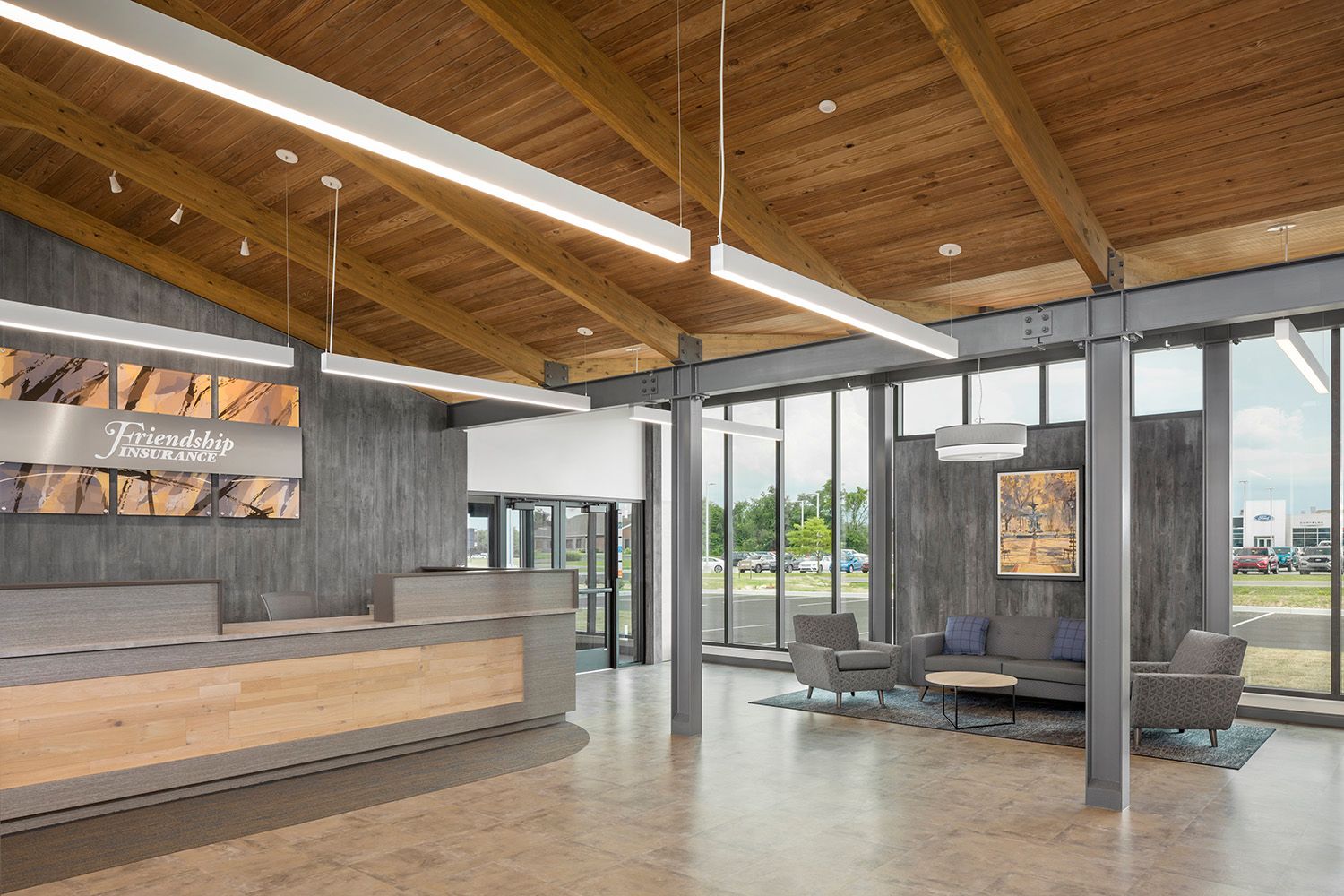
  • Material choices such as natural wood, recycled or locally sourced finishes, and visible structural elements communicate honesty and sustainability.
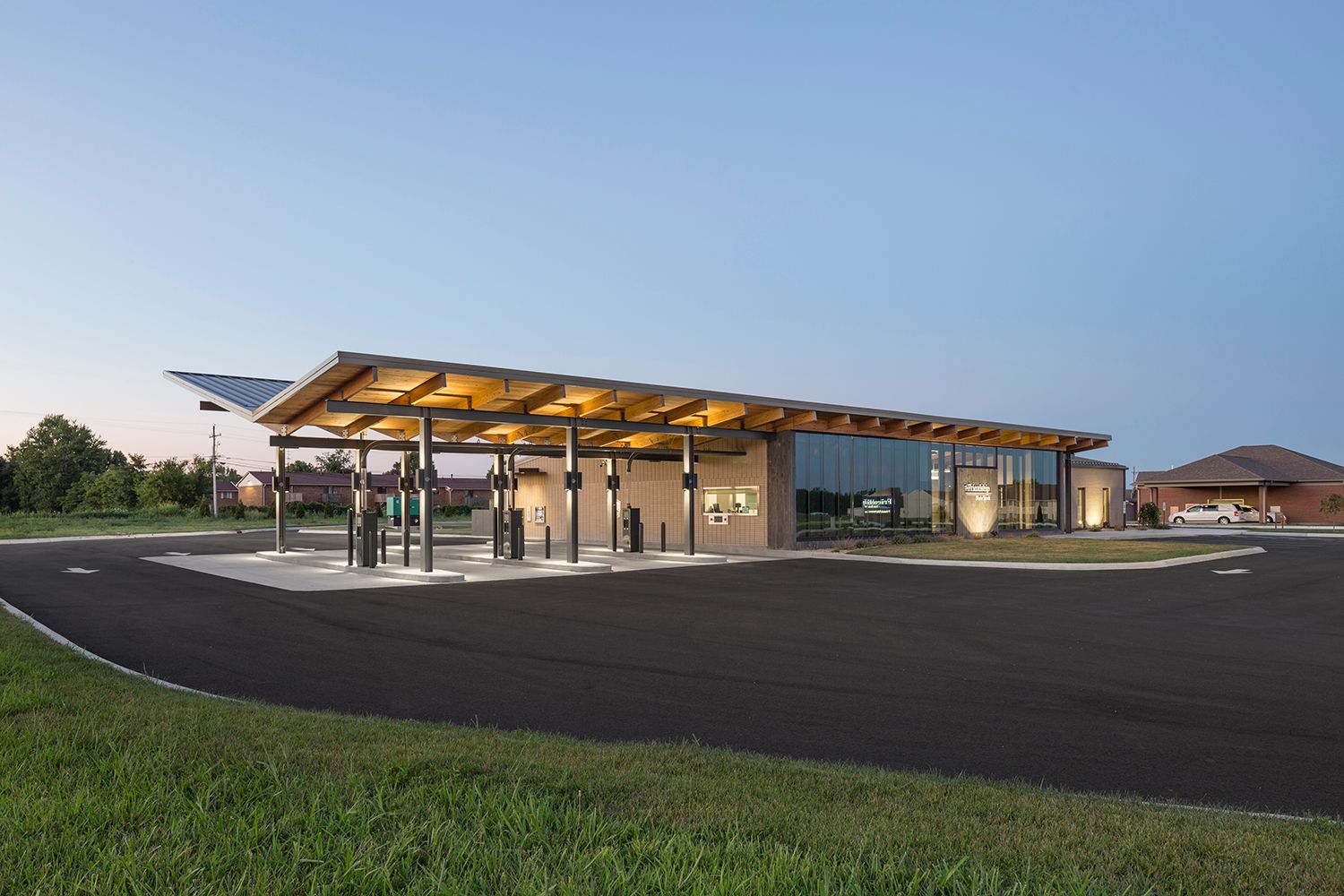
  • Brand storytelling through design can reinforce authenticity. Environmental graphics, murals, or digital displays can highlight the bank’s community impact, local partnerships, or sustainability goals.
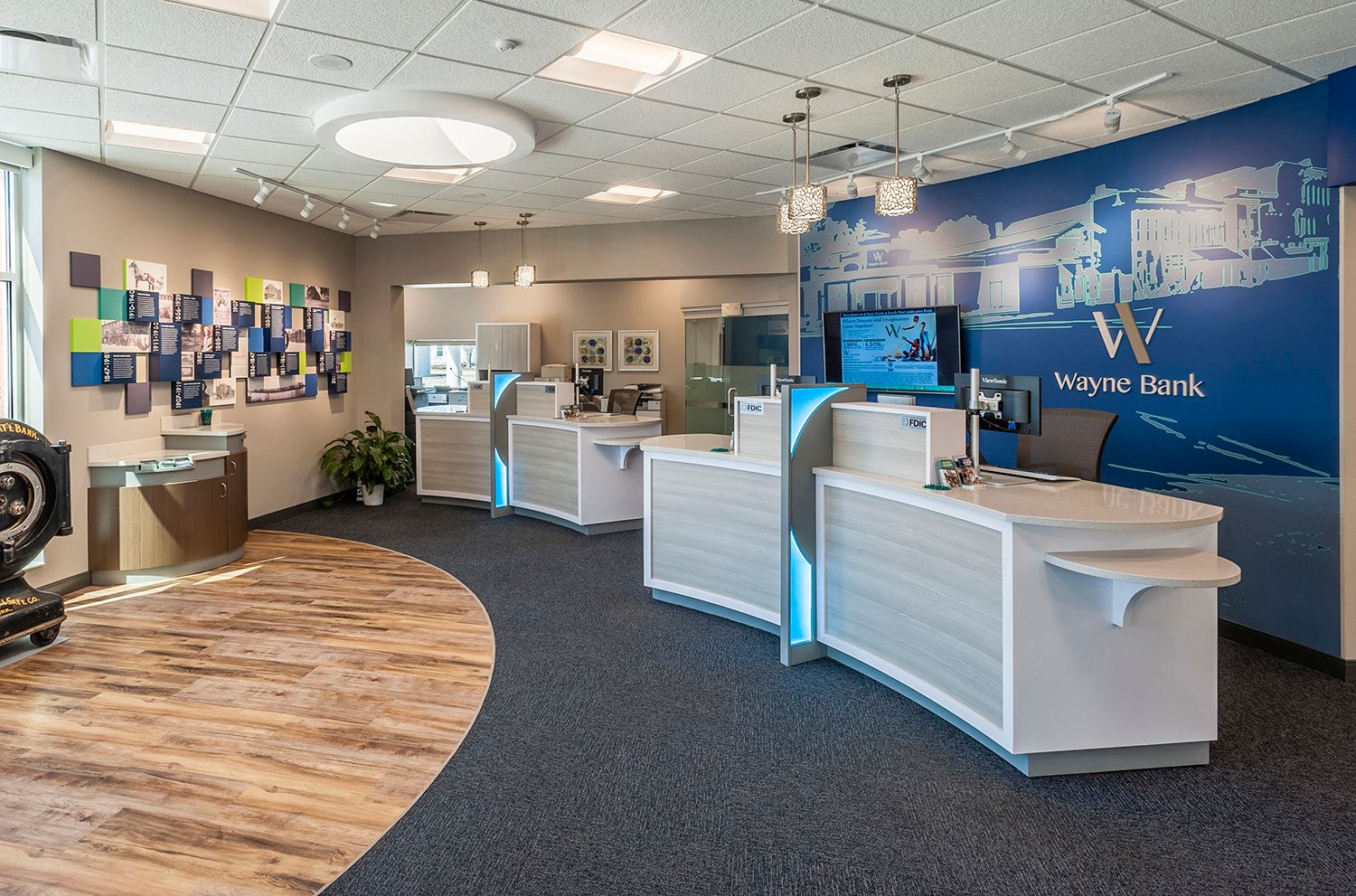
By making the branch itself a living expression of values, banks show Gen Z they are not just service providers, but genuine partners.


2. Technology-First, but Human-Centered

Gen Z grew up with smartphones in hand. They expect digital integration everywhere. But that doesn’t mean they want to interact only with screens. The ideal branch strikes a balance between digital convenience and human connection.


  • Self-service zones with ATMs, ITMs, and app integration allow quick, on-demand transactions.
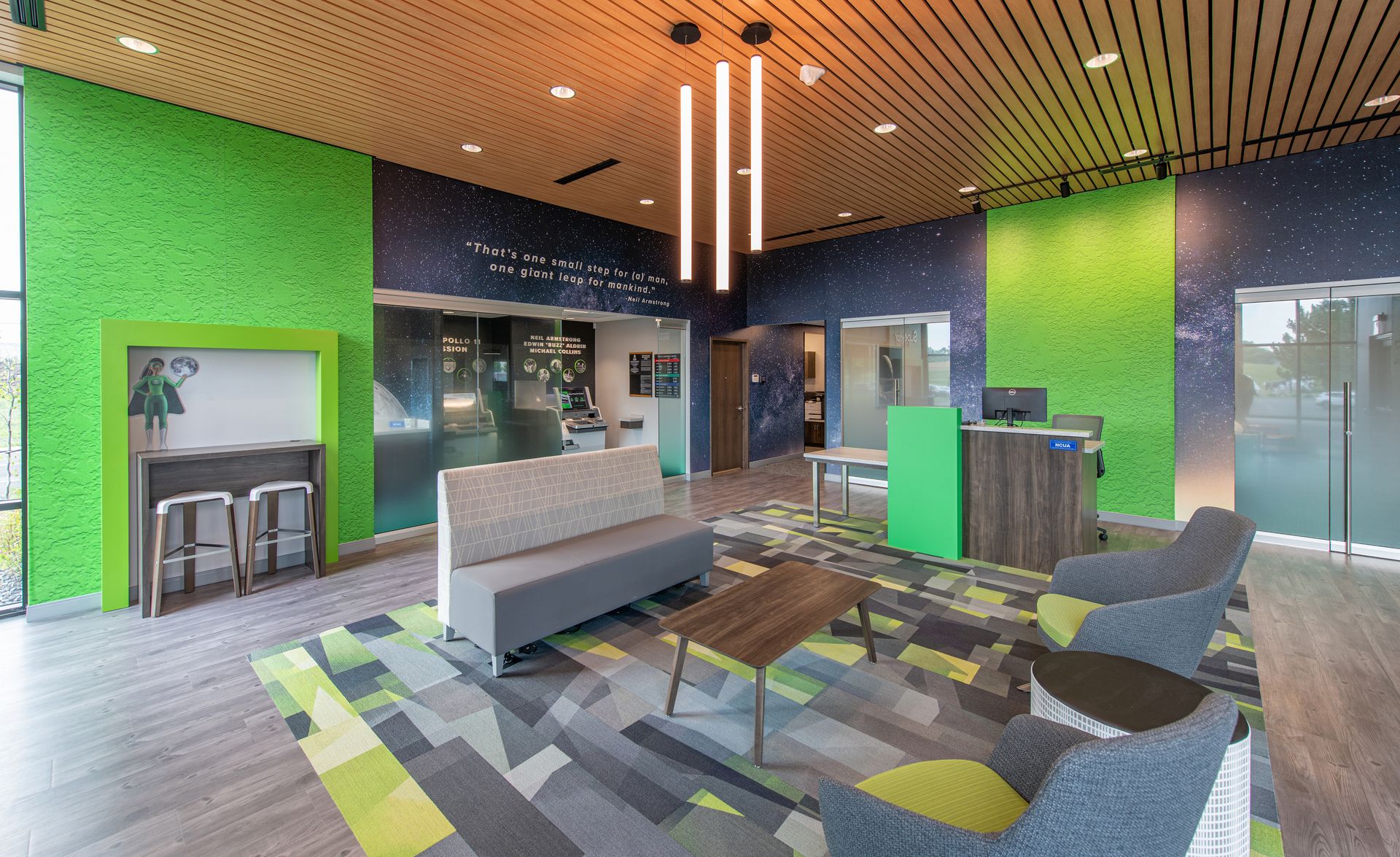
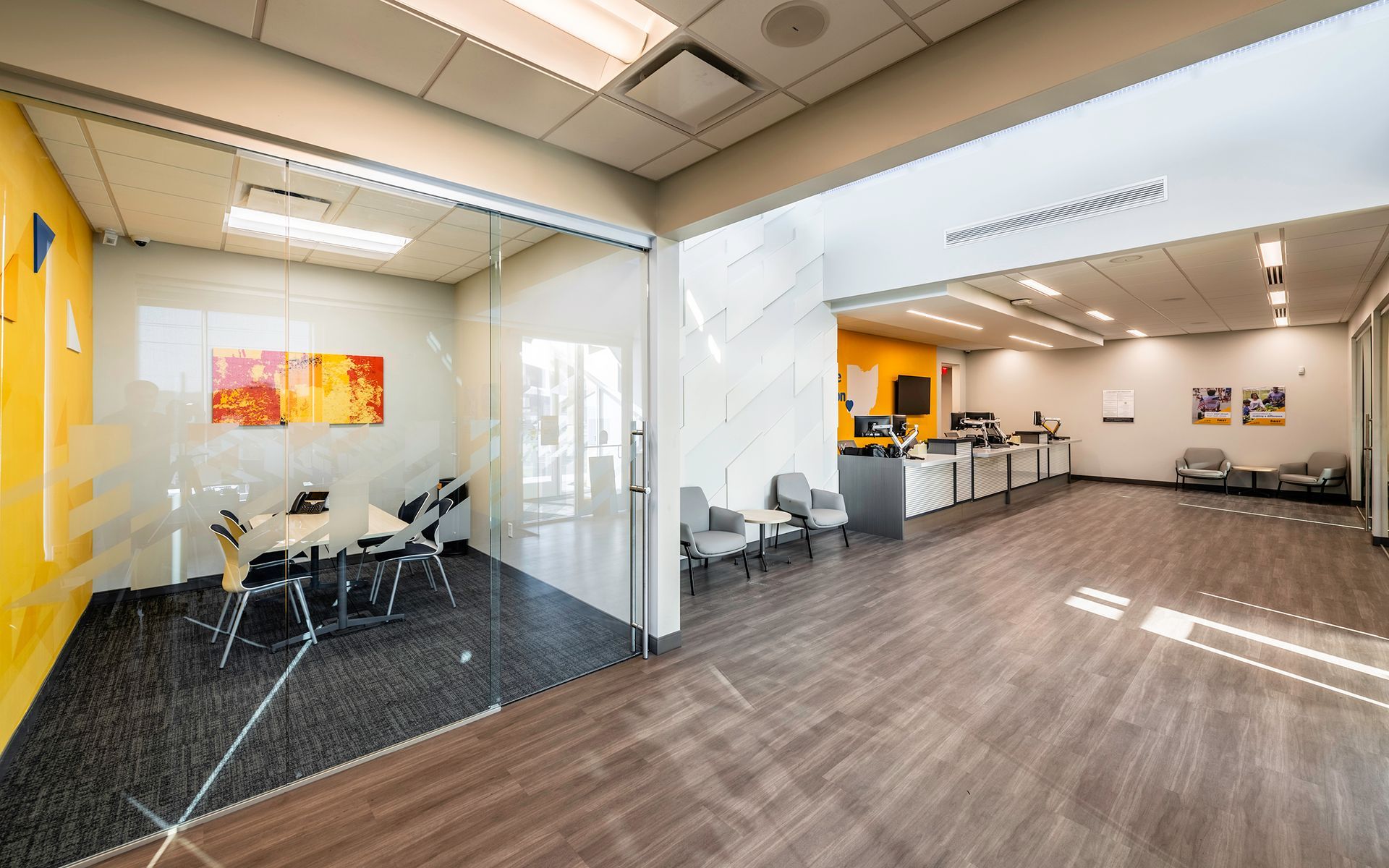
  • Tech-enabled consultation rooms offer privacy and the ability to pull up documents on shared screens for collaborative decision-making.
  • Interactive digital signage provides financial education, highlights product benefits, and even gamifies the banking experience.
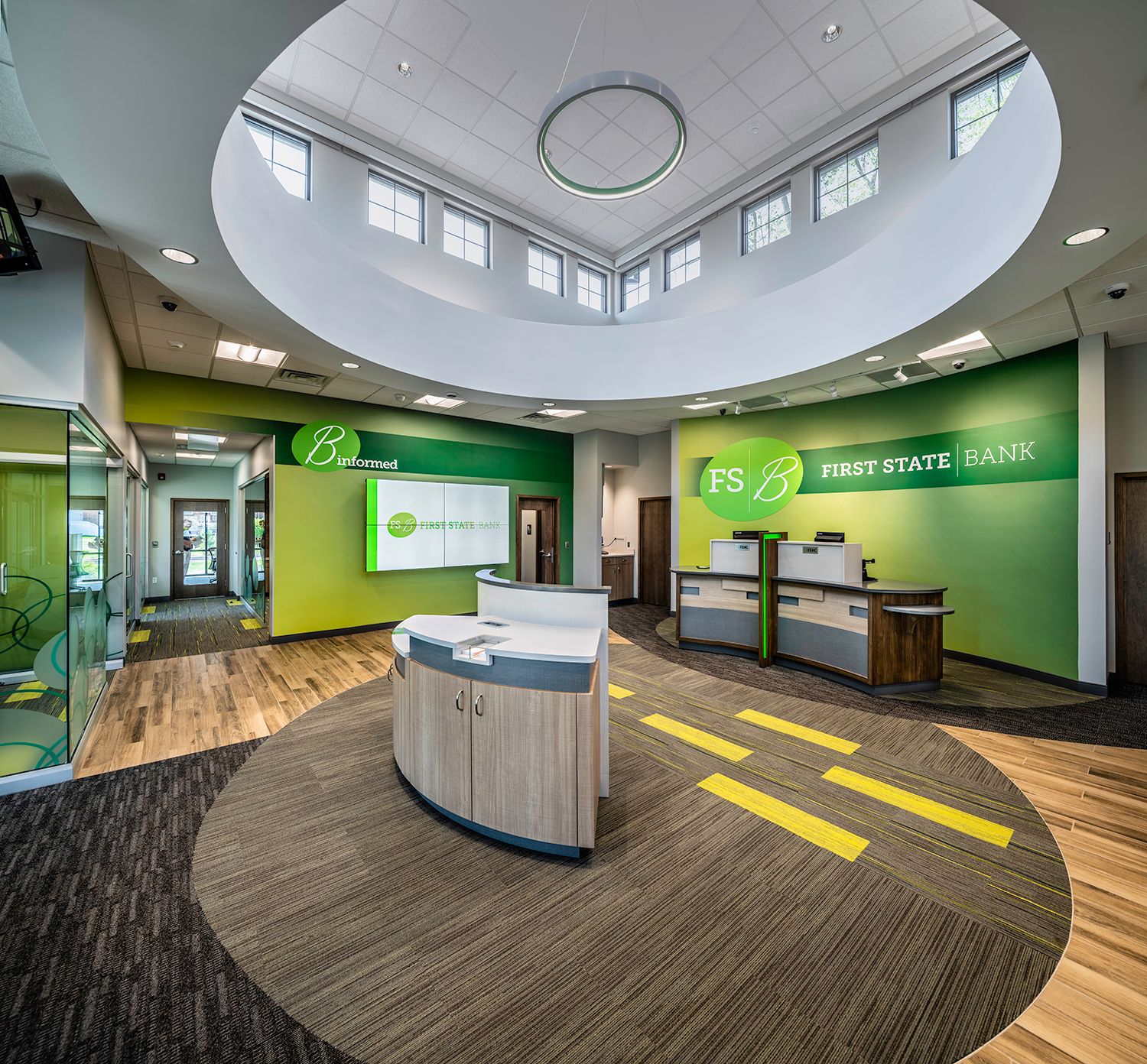
The key is that technology should never feel cold or isolating. It should enhance human interactions, not replace them. Gen Z values personal guidance when it comes to major financial decisions, but they want those conversations supported by the same digital ease they use daily.


Sustainability as a Strategic Consideration

For some community banks, full-scale sustainability initiatives can feel out of reach. The truth is, the way you integrate sustainability into branch design should reflect your market realities - whether rural, suburban, or urban.


  • Rural markets often prioritize practicality and cost efficiency. Here, sustainable design might mean durable materials that reduce long-term maintenance, geothermal heating/cooling systems, or maximizing natural light to cut energy bills. These solutions make sense where utility savings and longevity matter most.
  • Suburban markets tend to balance cost with consumer expectation. Families and commuters in these areas increasingly value visible sustainability features. EV charging stations, energy-efficient HVAC, LED lighting, or recycling-focused finishes can demonstrate responsibility without overburdening budgets.
  • Urban markets present the most pressure - and opportunity - for green leadership. Dense populations are more aware of environmental issues, and municipalities may even require sustainable practices. Think green roofs, bike storage, LEED certification, or partnerships with local environmental nonprofits.


Across all markets, the goal is not to “check the box” on sustainability, but to approach it strategically: aligning design investments with what matters to your customer base and what will deliver real, measurable value for your institution.Sustainability should never be one-size-fits-all—it should be right-sized for the market you serve.


4. Flexibility for Hybrid Engagement

Gen Z’s expectations of service are fluid - they do extensive research and they may want to start a conversation online, continue it via video chat, and finish it in-person at the branch. Designing for this requires spaces that are adaptable and multi-functional.


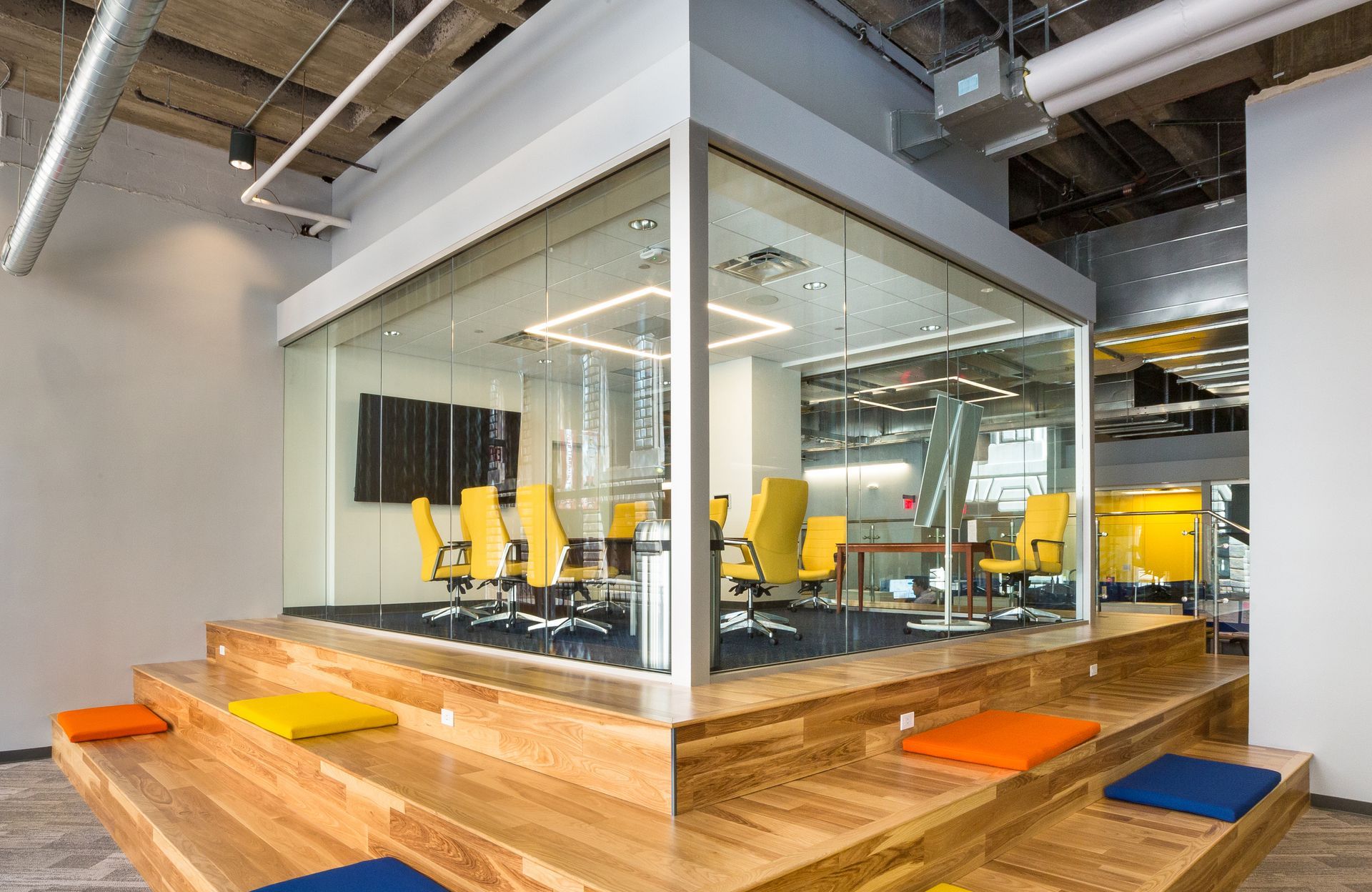
  • Pods or modular meeting rooms can flex between private consultation spaces and open collaboration areas.
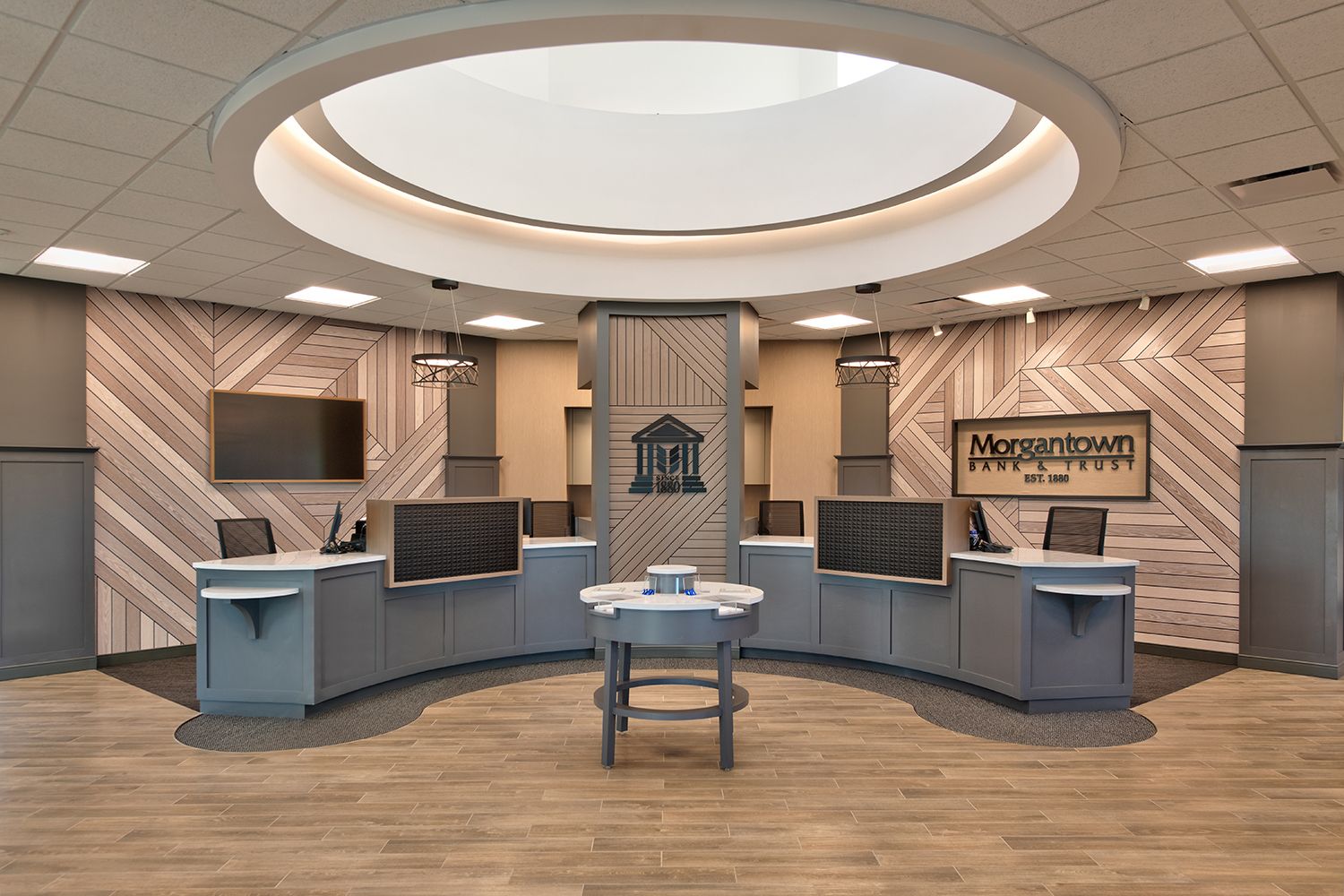
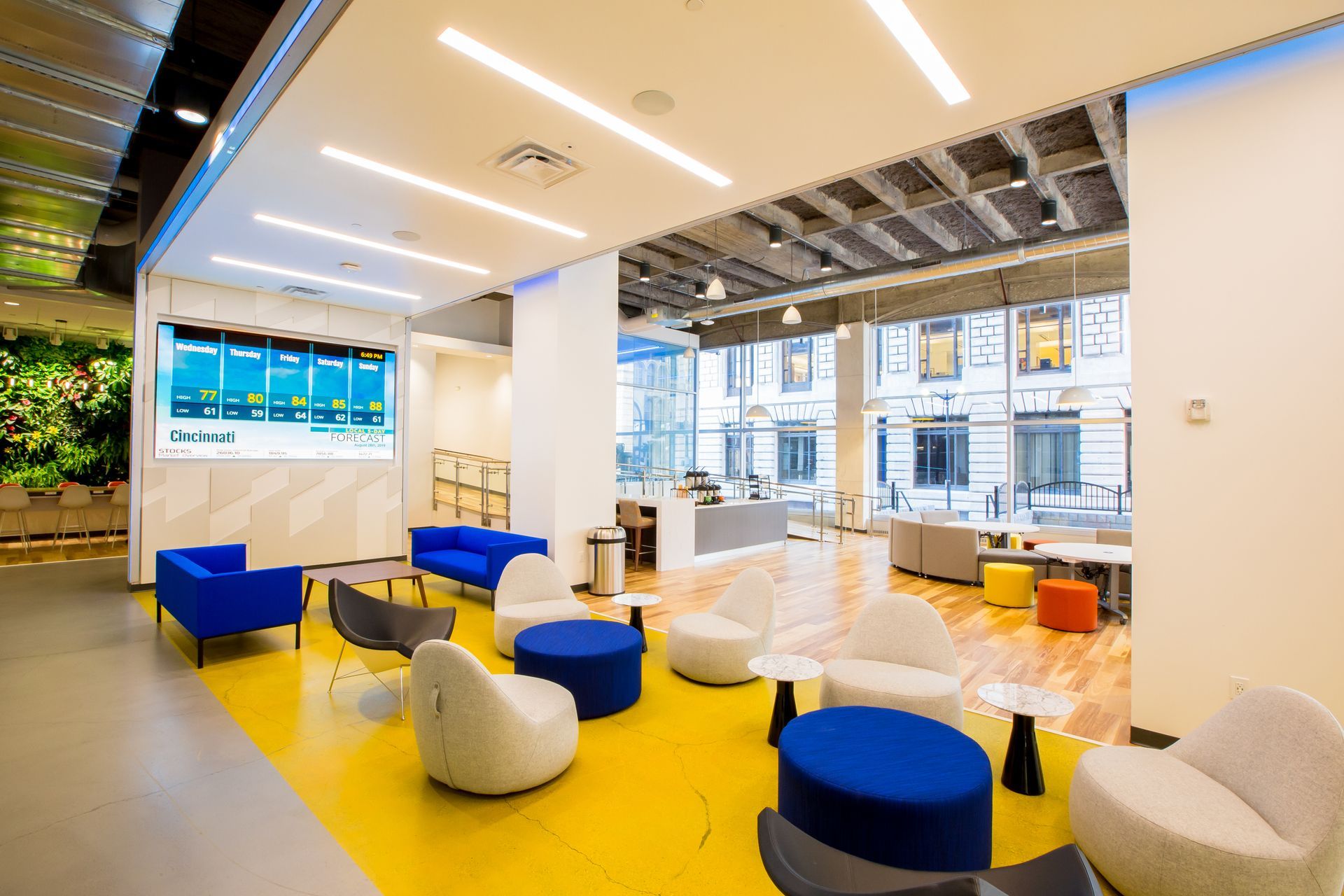
  • Community tables or lounges create a casual, approachable atmosphere for conversations without the formality of an office.
  • Tech Centers allow access to accounts within the branch and provide opportunity for staff to educate Gen Z about their online services and product availability.
  • Event-friendly layouts allow branches to double as community hubs - hosting financial literacy workshops, small business networking events, or student gatherings.
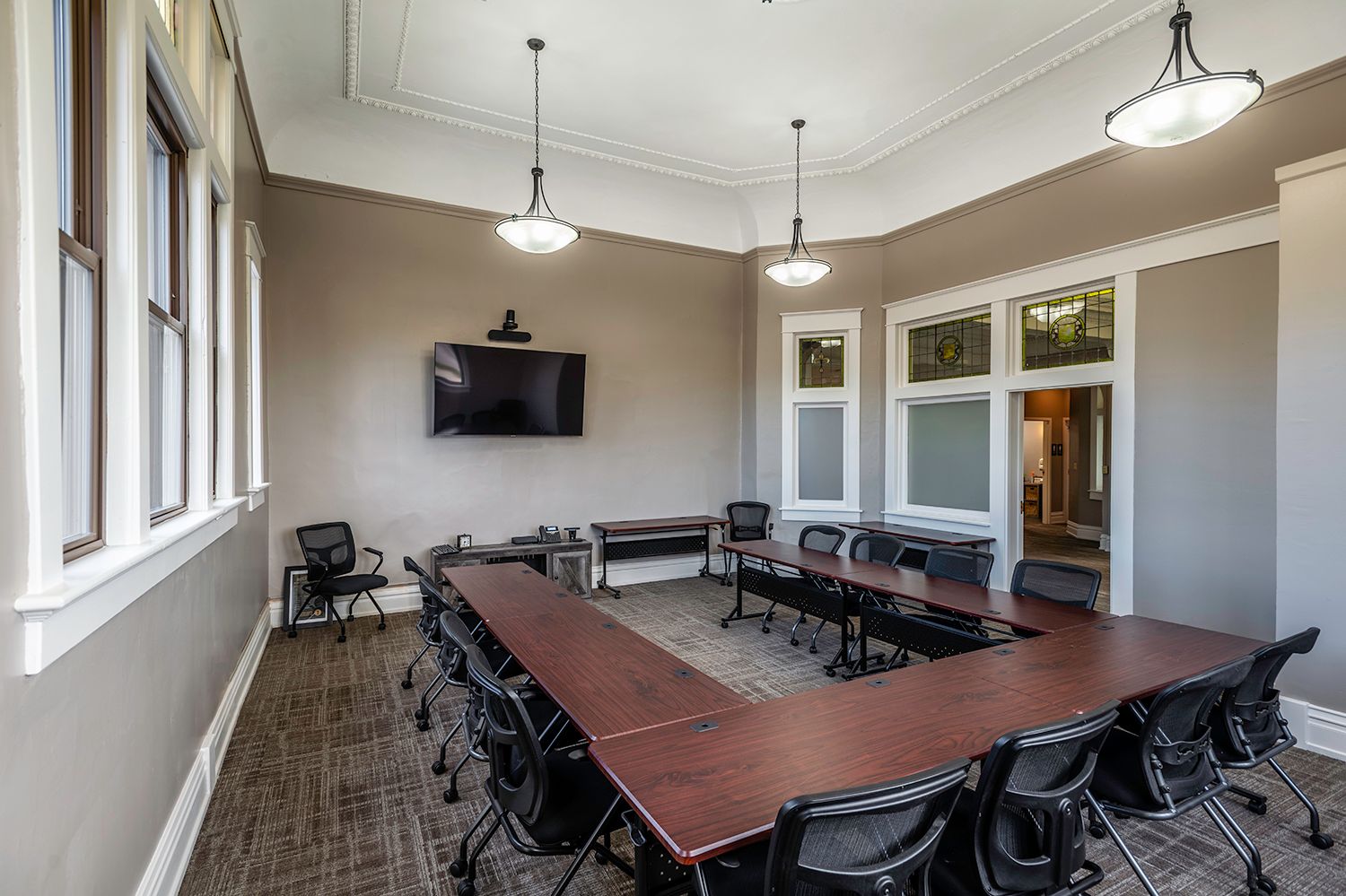
Design that accommodates multiple modes of interaction helps banks stay relevant as customer behaviors evolve.


5. A Sense of Community Belonging

For Gen Z, banking is not just about money - it’s about connection, meaning, and belonging. Branches that feel sterile or purely transactional miss the mark. Instead, banks should consider their branches as community spaces.


  • Community and history environmental graphics celebrate the unique culture of a community.
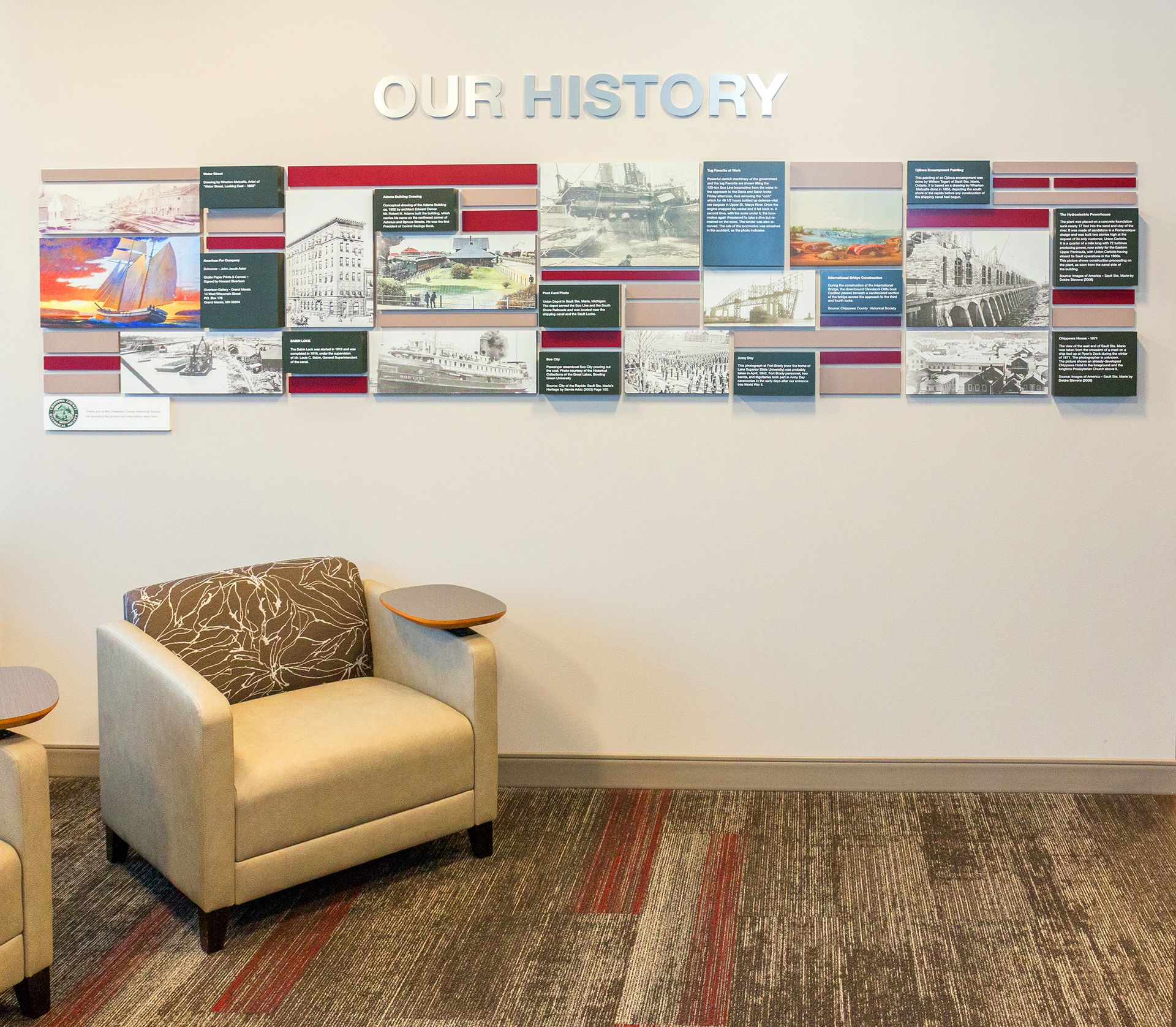
  • Flexible seating areas welcome students, freelancers, or remote workers looking for a safe place to focus.
  • Partnership-driven design such as displaying work from local artisans or offering pop-up space for small businesses signals support for the local community and its economy.


When the branch becomes a place people want to visit, rather than just a place they need to visit, it earns relevance with younger generations.


6. Prioritizing Wellness and Comfort

Gen Z is particularly tuned into mental health and well-being. Stressful or intimidating environments will push them away. Branch design must focus on comfort and ease.


  • Calming color palettes and natural textures help reduce stress.
  • Comfortable furniture and lounge-like spaces make the branch feel less like an institution and more like a café or coworking space.
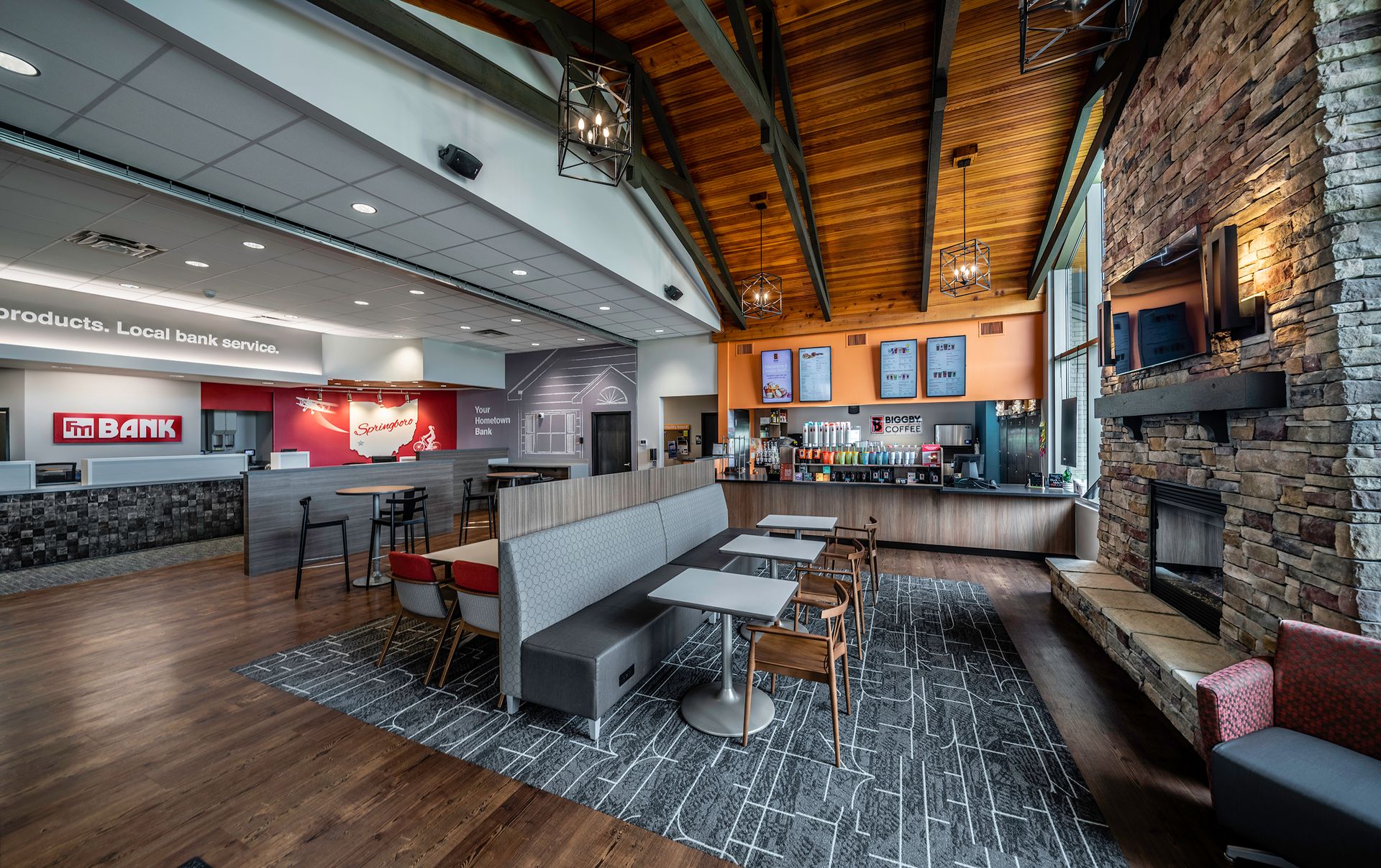
  • Acoustics matter and reducing noise distractions while still keeping the space lively increases comfort and attentiveness.


The more a branch feels like a safe, supportive environment, the more Gen Z will engage with it. Do not be afraid to think outside the box and try new approaches to connecting with this generation who prefer lifestyle spaces that promote community, connections, and convenience.


7. Bridging the Generational Gap

While Gen Z is a critical audience, branches still need to serve Boomers, Gen X, and Millennials. The design challenge is finding ways to layer experiences so all generations feel accommodated.


  • Clear zoning helps - self-service areas for digital natives, private offices for those who prefer traditional service.
  • Universal accessibility ensures that design is inclusive, from ADA compliance to intuitive navigation for first-time visitors.
  • Consistent branding across touchpoints reassures all customers that no matter how they engage, they’re part of the same trusted institution.


By designing with Gen Z in mind while respecting the needs of other generations, branches can remain relevant across the customer spectrum.


8. Telling the Brand Story Through Space

Gen Z wants to align with brands that have a clear identity and purpose. The branch environment is one of the most powerful tools to communicate that story.


  • Environmental branding from signage to digital displays should reflect the bank’s mission and personality.
  • Design continuity between digital and physical channels and marketing assets ensure that the experience feels cohesive.
  • Interactive features like touchscreens or QR codes can bridge the gap between physical space and mobile apps and continue the interaction at the user’s convenience, reinforcing the brand’s omnichannel presence.


Ultimately, design becomes a brand amplifier helping Gen Z see themselves in the story the bank is telling.


Conclusion: Designing for Trust, Relevance, and Connection

Designing branches for Gen Z isn’t about abandoning what makes a bank a bank. It’s about reimagining the space to reflect what the next generation values most: authenticity, sustainability, flexibility, technology, community, and wellness.


Solid design is future-focused. The decisions made today about how to structure, furnish, and brand a branch will determine whether that space remains relevant not just for Gen Z, but for all generations to come.


The opportunity is clear: By embracing design that reflects the values and expectations of this rising generation, banks create environments that are not only functional, but inspirational spaces where relationships are built, trust is nurtured, and the future of community banking comes to life.

By Jeff Klump, President of K4 Architecture + Design August 19, 2025
As sustainability becomes a more prominent factor in consumer decision-making, community banks are under increasing pressure to integrate environmentally responsible practices across their branch networks. For most institutions, however, a fully green model across every location is neither feasible nor necessary. The most effective path forward is a targeted approach - deploying sustainable design where it best aligns with market conditions, demographic expectations, and competitive dynamics. Banks can maximize both impact and efficiency by placing flagship sustainable branches in high-priority markets while using cost-effective upgrades in smaller or traditional markets. This balanced strategy not only advances green initiatives but also lowers operating costs, ultimately strengthening the ROI of their facilities.
By Jeff Klump, President of K4 Architecture + Design & Nicole DeRogatis, Chief Marketing Officer of K4 Marketing + Branding August 19, 2025
The modern community bank is facing a generational crossroads. Baby Boomers still value face-to-face service. Gen X often wants a mix of personal touch and digital convenience. Millennials expect flexibility and efficiency. Gen Z? They’re seeking purpose-driven brands that align with their values and communicate in a way that feels authentic. The question for community bankers is no longer whether to adapt - but how?  Today’s most successful financial institutions are reimagining their branches not just as places to transact, but as experiences to connect, educate, and build long-term relationships. The way your branch looks, feels, and communicates speaks volumes to customers -young and old - about who you are and whether you’re prepared to meet their needs. For community banks, creating multi-generational relevance in today’s rapidly shifting landscape requires a thoughtful blend of physical branch design and strategic branding communicated both online and off. By combining architectural expertise with modern marketing insights, banks can craft branch experiences that resonate across age groups - balancing personal service with digital convenience, and tradition with innovation. This integrated approach helps ensure that both the space and the message reflect the evolving expectations of customers from every generation.
By Jeff Klump, President of the K4 Family of Companies August 19, 2025
Artificial Intelligence (AI) is transforming the financial sector by enhancing cost management, customer experience, and operational performance. For community bank leaders, leveraging AI-generated data in branch design is essential for staying competitive in an increasingly digital industry. While AI does not replace architectural expertise, it provides valuable insights into foot traffic, customer behavior, and operational efficiency, allowing architects to make data-driven decisions that shape modern bank branches.
By Nicole DeRogatis November 23, 2024
The community banking and credit union sectors are uniquely positioned to foster close relationships with local businesses, families, and organizations. Local financial institutions are the financial backbone of the regions they serve and can thrive due to the personal connections they build and trust they establish. For many executives in the industry, the question arises: "How can we make a stronger statement about our community connections through our branches and our physical and digital marketing assets?" Enhancing these connections between banks and their communities can be achieved through both physical spaces and digital platforms. This approach helps financial institutions reinforce their position as integral parts of the areas they serve. By utilizing thoughtful design and strategic communication, they can strengthen their local ties and foster deeper relationships with their customers and clients. Here are a few innovative, yet cost-effective, strategies to consider when thinking about how to make your branch(es) feel more connected to the community.
By Jeff Klump November 23, 2024
As the financial landscape evolves, so too does the role of the retail bank branch. While digital banking solutions continue to grow in popularity, the physical branch remains a critical touchpoint for many customers. Designing these spaces to appeal to multiple generations - Baby Boomers, Gen X, Millennials, Gen Z, and beyond - requires a thoughtful approach that balances tradition with innovation. Keen attention must be paid to crafting environments that not only serve current needs but also anticipate future trends, ensuring community banks and credit unions remain relevant and connected to their customers.
By Jeff Klump August 13, 2024
In recent years, the banking landscape has been shifting, as larger and regional banks have been withdrawing from smaller communities, creating a void that other financial institutions are uniquely positioned to fill. This shift has generated an opportunity for these smaller financial institutions to capitalize on the potential customer base in smaller underserved markets. Two emerging trends that are gaining traction in this scenario are the concepts of micro branches and freestanding ITM’s.  The microbranch trend represents a significant opportunity to not only serve your existing customer base more effectively, but also to expand your reach and grow business in the future, especially in these underserved markets. Micro branches are typically between 1,000-1,500 square feet in size, with a focus on efficiency and convenience, and staffed with two to three universal bankers. These smaller branches require much less investment to get into the market and are more agile and designed to meet the specific needs of these communities. They are designed to provide all the essential banking services that customers need on a day-to-day basis, while also offering the flexibility to handle more complex transactions when necessary.
By Jeff Klump December 20, 2023
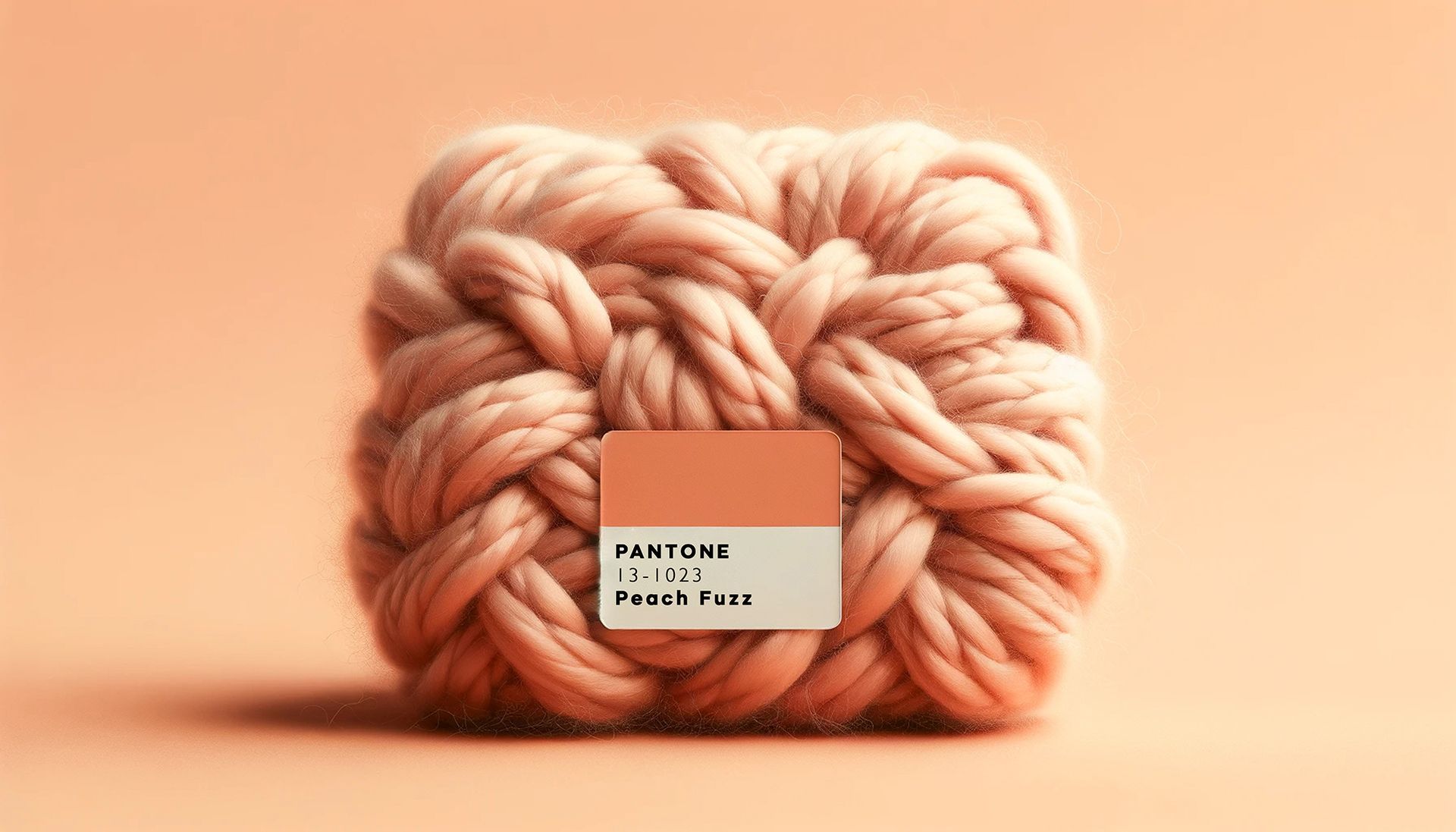
In the dynamic world of corporate office interiors, staying ahead of design trends is crucial to creating spaces that not only inspire productivity but also reflect the latest aesthetic sensibilities. As a firm specializing in corporate office design, K4 embraces Pantone's Color of the Year for 2024 - Peach Fuzz. This warm and inviting hue offers a fresh perspective on creating contemporary workspaces that balance sophistication and comfort and an opportunity to infuse sophistication, and a touch of modernity into the corporate design landscape. Peach Fuzz, a delicate and nuanced shade blending peach and blush, brings a sense of tranquility and optimism to any space. When incorporated into corporate office interiors, this color has the power to redefine the atmosphere, promoting a positive and collaborative environment. K4 is committed to enhancing the workplace experience, and we recognize the significance of color in influencing mood and productivity.
By Jeff Klump November 7, 2023
In the dynamic landscape of community banking, where the strength of relationships is paramount, the role of design extends beyond aesthetics—it becomes a strategic catalyst for talent acquisition and retention. In an era where attracting and retaining top talent is pivotal for organizational success, the significance of an intentionally designed workspace cannot be overstated. In this article, we delve into how strategic design decisions can not only enhance the physical environment but also foster a culture of engagement, innovation, and long-term commitment among employees, contributing to relationship building and the overall prosperity of community banks. Join K4 on this journey through the intersection of design and community banking, where the blueprint for success lies in the spaces we create for those who make our banks the heart of the community.
By Nicole DeRogatis November 7, 2023
In the previously published Journey to Brand Consistency: Part I, K4 addressed Facilities, Marketing & People as the three pieces that comprise the Financial Success Puzzle for community banks. This article examines one level deeper in unifying physical and digital marketing assets within the Financial Success Puzzle, and the importance of creating a harmonious and powerful brand identity across all platforms. In the fast-paced and ever-evolving community banking industry, maintaining a strong and recognizable brand presence is vital for success. As a full-service design and branding firm working closely with community banks, we have witnessed the transformative power of consistent marketing assets in bridging the gap between the physical and digital realms. By solidifying the customer experience across all touchpoints, banking institutions can establish a stronger emotional connection with their customers and create a lasting impact on their success. Investing in brand consistency is not only a strategic move but also a reflection of a bank's commitment to their own stability and future growth.
By Jeff Klump November 7, 2023
Now more than ever, brand consistency is of utmost importance to financial institutions. Creating brand consistency goes a long way in building brand trust, increasing customer/employee/community loyalty, and impacting your bottom line. Why is there so much brand inconsistency in the community banking landscape? Because being brand consistent requires change and commitment, and it can be tedious and expensive. Taking the first step is often overwhelming. Where do you start? What do you update first? These are excellent questions, but there are other important questions to consider. What is the cost of NOT getting brand consistent or what is the cost or potential loss of creating brand confusion? Inconsistencies are costing your bank time and money. Not practicing brand consistency will cost you significant consequences to customer experience, brand reputation, and overall loss of trust – all of which can impact your bottom line. Conflicting brand usage accounts for a damage to brand credibility, making it harder to compete in the market. As K4 gets ready to hit the road in 2023, presenting at various community banking conferences on this topic, we thought it was important to preamble this timely subject of the Financial Success Puzzle. At K4, we define the Financial Success Puzzle as a 3-piece formula to creating and maintaining brand consistency for community banks. This formula is simply the act of connecting people to place and connecting brand identity to place. Many retailers have capitalized on this concept for years. Your branch facilities, marketing & people MUST work together to create stability and not only that…they must be triplets, not just siblings. They can’t just resemble one another; they need to be nearly identical in their delivery.
January 29, 2026