Branch Building Myths vs. Reality
Few capital projects generate as many assumptions as a bank branch. From timelines and site selection to technology and construction sequencing, we repeatedly hear the same misconceptions across markets and institutions—often well-intentioned, but costly when left unchallenged.
For community banks considering new branch projects in 2026, understanding what is myth versus reality can be the difference between a predictable, high-performing facility and a project burdened by delays, budget creep, and missed strategic opportunity. Branches remain a significant investment, not just in dollars - but in brand presence, operational efficiency, and long-term market relevance.
In over 27 years of working primarily with financial institutions, K4 Architecture + Design has learned that successful branch projects are rarely about moving faster. Instead, they are about making informed decisions at the right time. Below are five of the most common branch-building myths and the realities bank leadership should understand before committing capital.
Myth #1: “We Can Build a Branch in Under a Year”
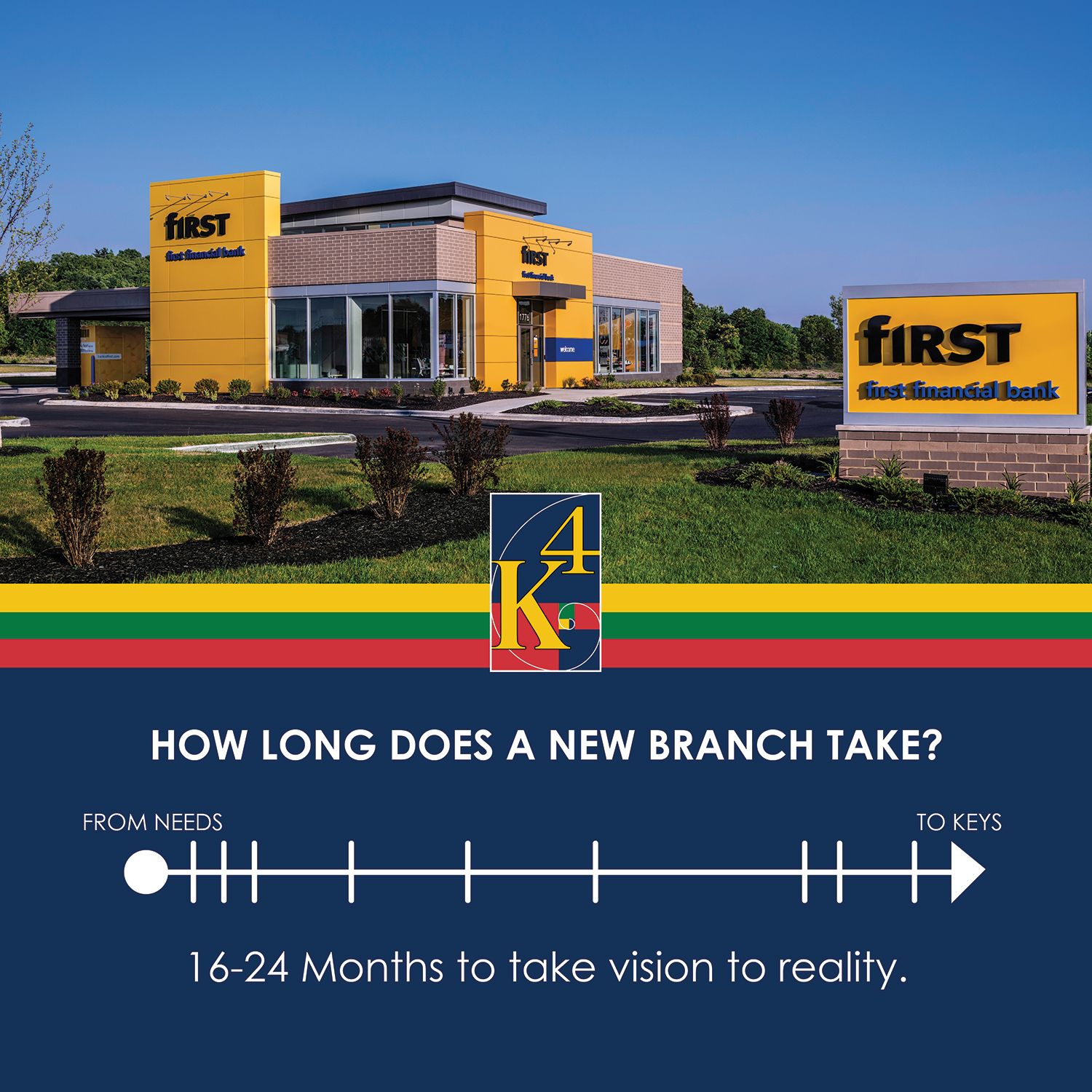
Reality: The full branch development process from “needs to keys” typically spans 16–24 months.
It is understandable why this myth persists. From a distance, it appears that once drawings are complete, a building should simply “go up.” In reality, construction is only one segment of a much longer and more complex process.
A typical branch timeline includes:
- Strategic planning and programming
- Site due diligence and feasibility analysis
- Schematic design and design development
- Construction documents
- Zoning, regulatory review, and permitting
- Contractor bidding and procurement
- Construction
- Systems commissioning, technology integration, and activation
While the physical construction phase may take nine to twelve months, everything that comes before and after adds significant time. Municipal approval processes alone can vary widely by jurisdiction. Regulatory coordination, particularly for drive-thru facilities, stormwater management, and security requirements, requires patience and accuracy.
Availability of subcontractors, fluctuating material lead times, and coordination between multiple trades further reinforce the need for realistic schedules. Attempting to compress these phases often leads to rework, change orders, and increased risk. A June 2026 project kickoff realistically points to a first to third quarter 2028 opening. This is not inefficiency, it is due diligence.
Myth #2: “Any Site Will Work”
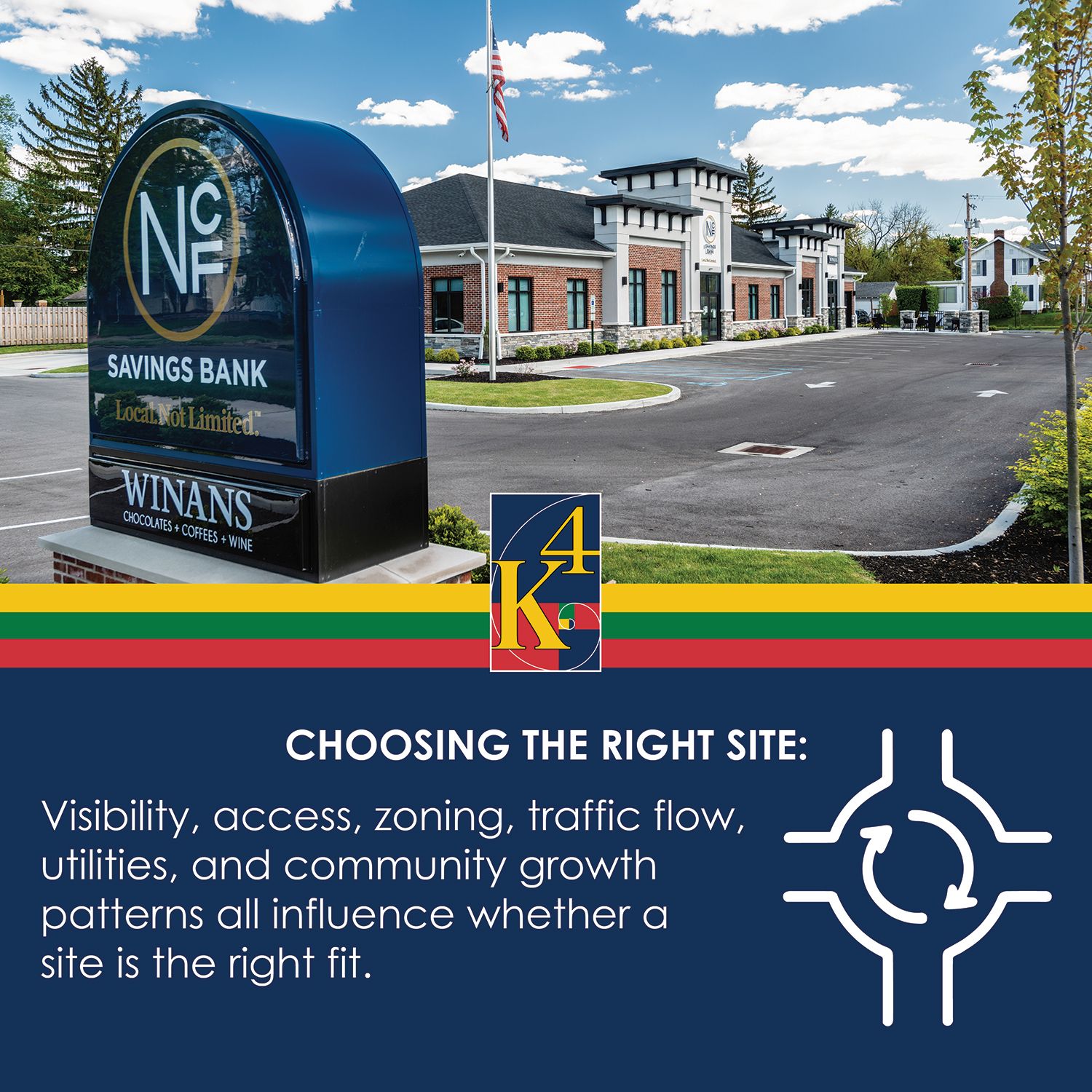
Reality: The wrong site can limit branch performance for decades.
Site selection is one of the most consequential decisions a bank will make, yet it is often driven primarily by availability or price. While land cost matters, it is only one component of long-term value.
Visibility, ingress and egress, traffic patterns, drive-thru stacking capacity, stormwater requirements, and zoning or municipal design restrictions all shape how a branch functions and performs. These factors influence everything from customer convenience and safety to staffing efficiency and future expansion potential.
No amount of architectural creativity can overcome fundamental site limitations. A low-cost parcel that forces design compromises—such as constrained circulation or poor visibility—may appear economical initially, but often creates operational friction for decades.
Feasibility studies, traffic analysis, and early coordination with municipalities help banks avoid expensive course corrections later. The most successful projects select sites that naturally support the branch model, rather than forcing the model to adapt to the site.
Myth #3: “We Don’t Need to Think About Technology Yet”
Reality: Technology drives space planning.
Technology is no longer a layer added at the end of design. It is a primary driver of layout, square footage, security planning, and operational flow.
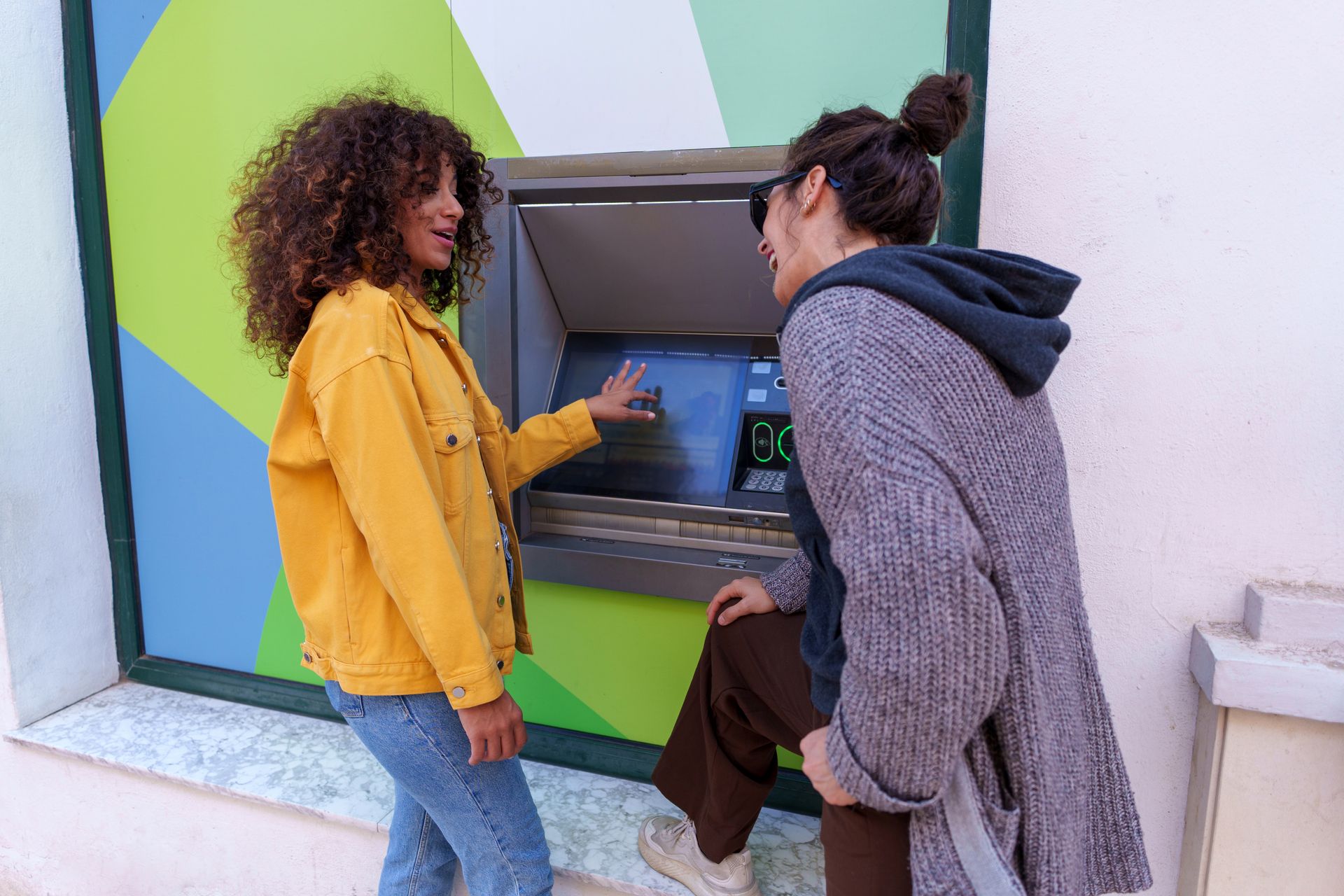
IT rooms, server requirements, surveillance infrastructure, digital signage, interactive displays, ATM/ITM and drive-thru systems, and future banking platforms all demand early coordination. Technology decisions affect ceiling heights, wall construction, conduit routing, cooling loads, and electrical capacity.
Retrofitting technology after design completion is significantly more expensive and often disrupts the customer experience during early operations. Early collaboration between IT, security, bank equipment providers, and design teams ensures that the branch supports both current systems and future upgrades.
Banks that treat technology as an early design partner versus a late add-on build branches that remain flexible and resilient as service delivery continues to evolve.
Myth #4: “Branch Design Is Just Picking Finishes”
Reality: Finishes are the final layer, not the foundation.
While finishes are visible, true branch design operates beneath the surface. Layout decisions impact staff efficiency, customer flow, privacy, security posture, and operating costs. Design influences how conversations happen, how long customers stay, and how comfortable they feel discussing complex financial needs.
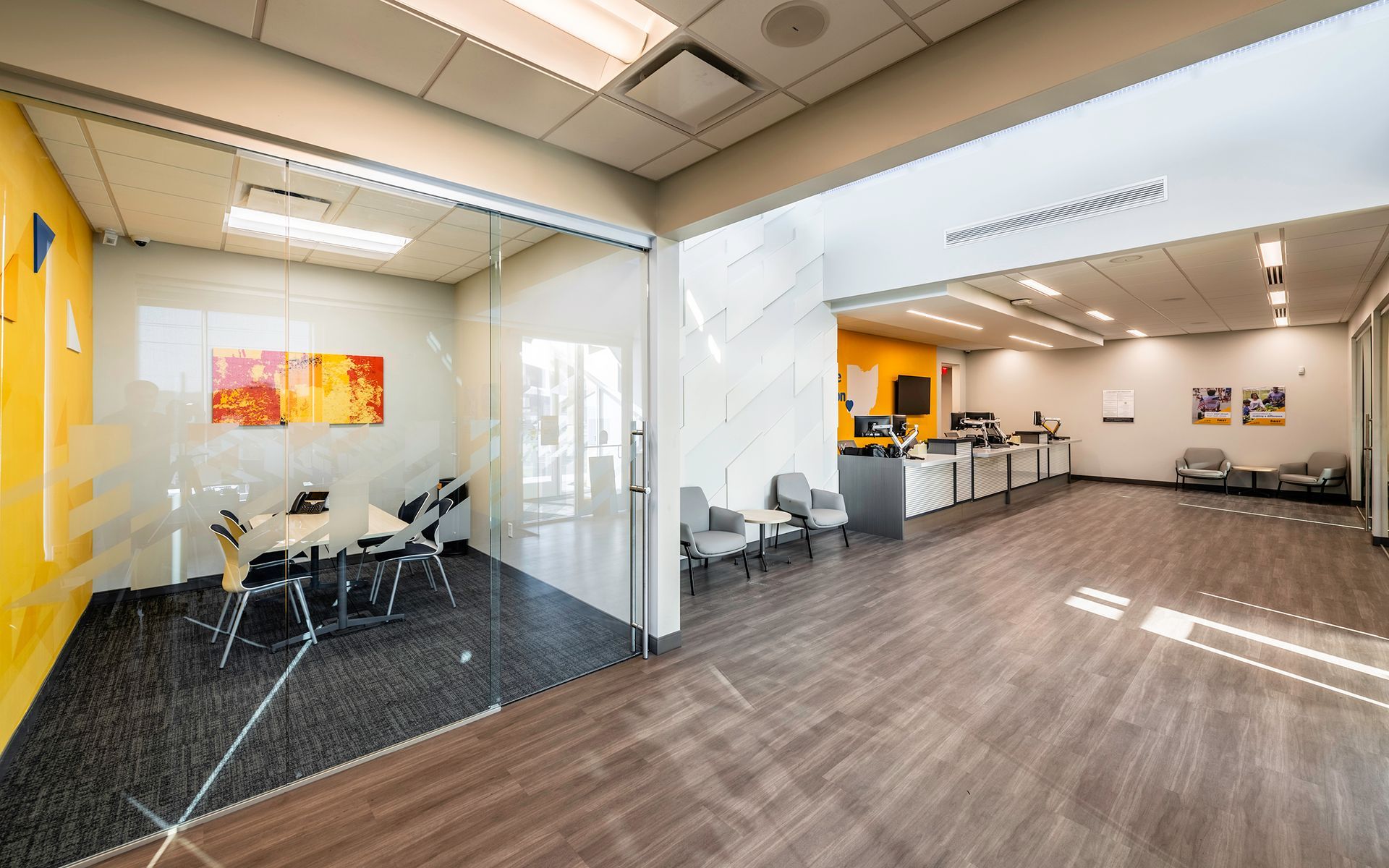
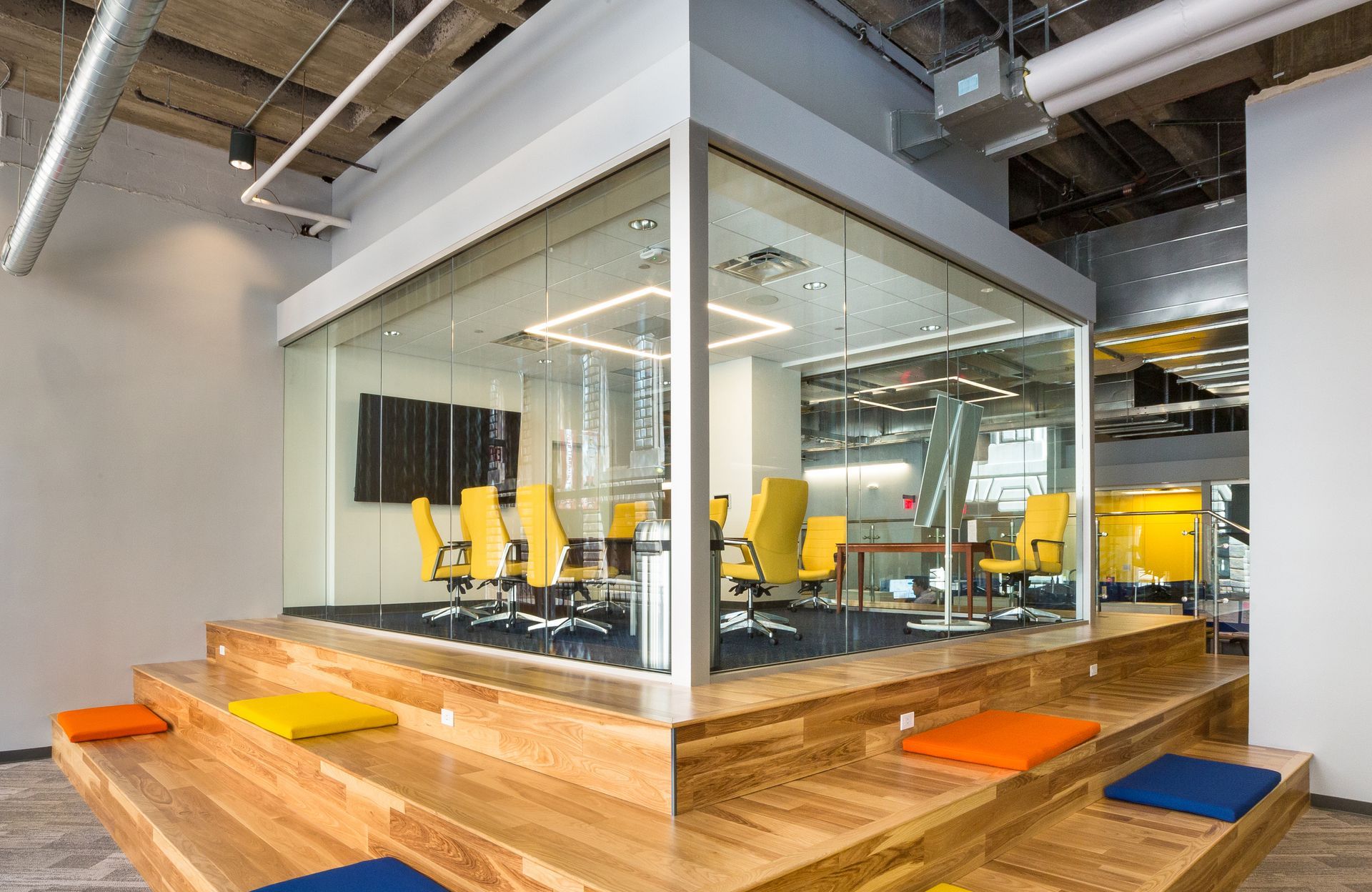
Modern community banks are increasingly relationship-driven. That requires spaces designed for conversations, not transactions. Private offices, flexible meeting areas, discreet security measures, and clear wayfinding support trust and engagement.
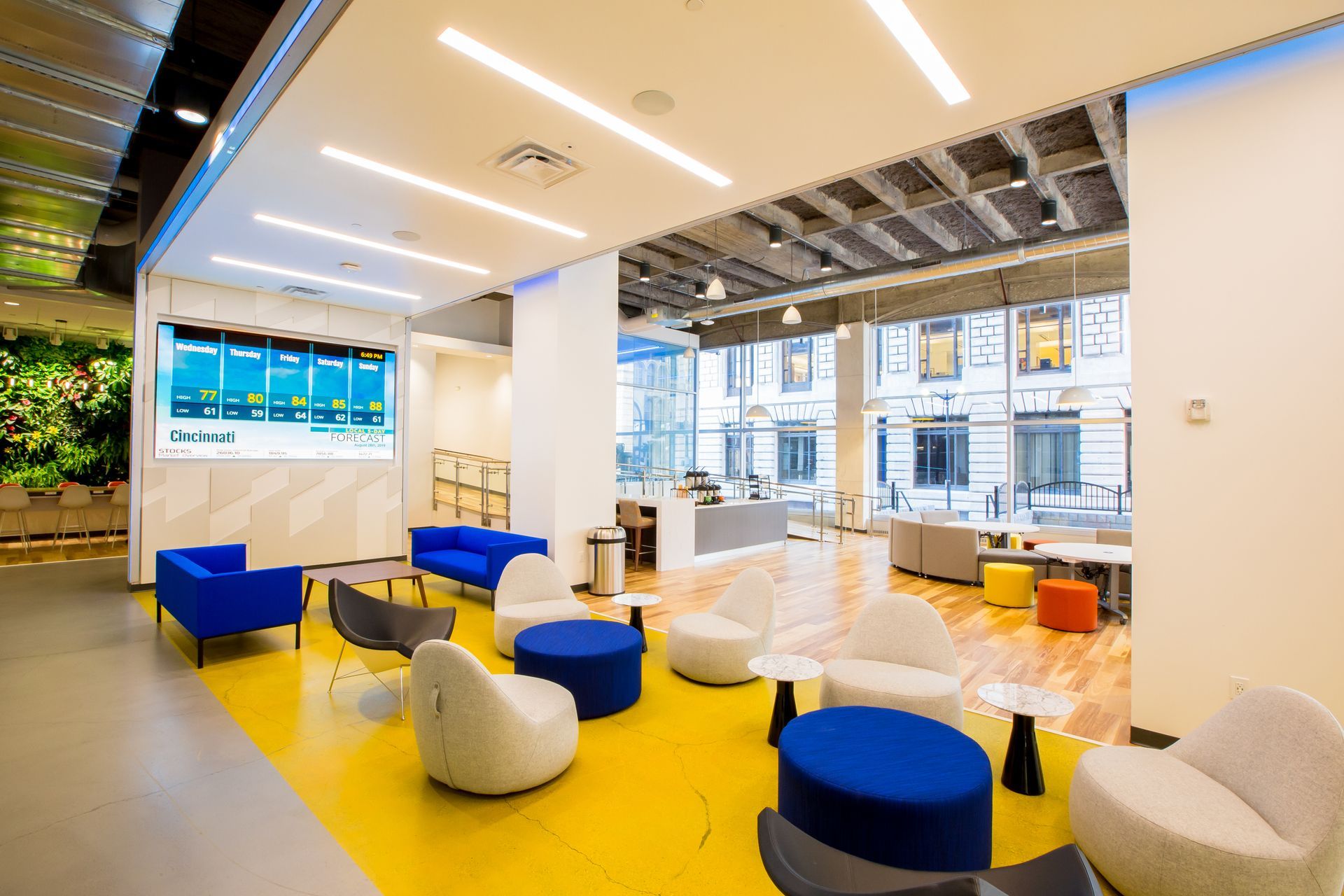
Brand integration also plays a critical role. Branches should reinforce brand consistency while remaining authentic to their local market. A one-size-fits-all approach often misses the opportunity to connect meaningfully with the surrounding community.
When design focuses solely on finishes, these deeper operational and experiential considerations are often overlooked—resulting in attractive spaces that underperform.

Myth #5: “Once Construction Starts, the Hard Part Is Over”
Reality: Construction introduces new variables that require leadership and coordination.
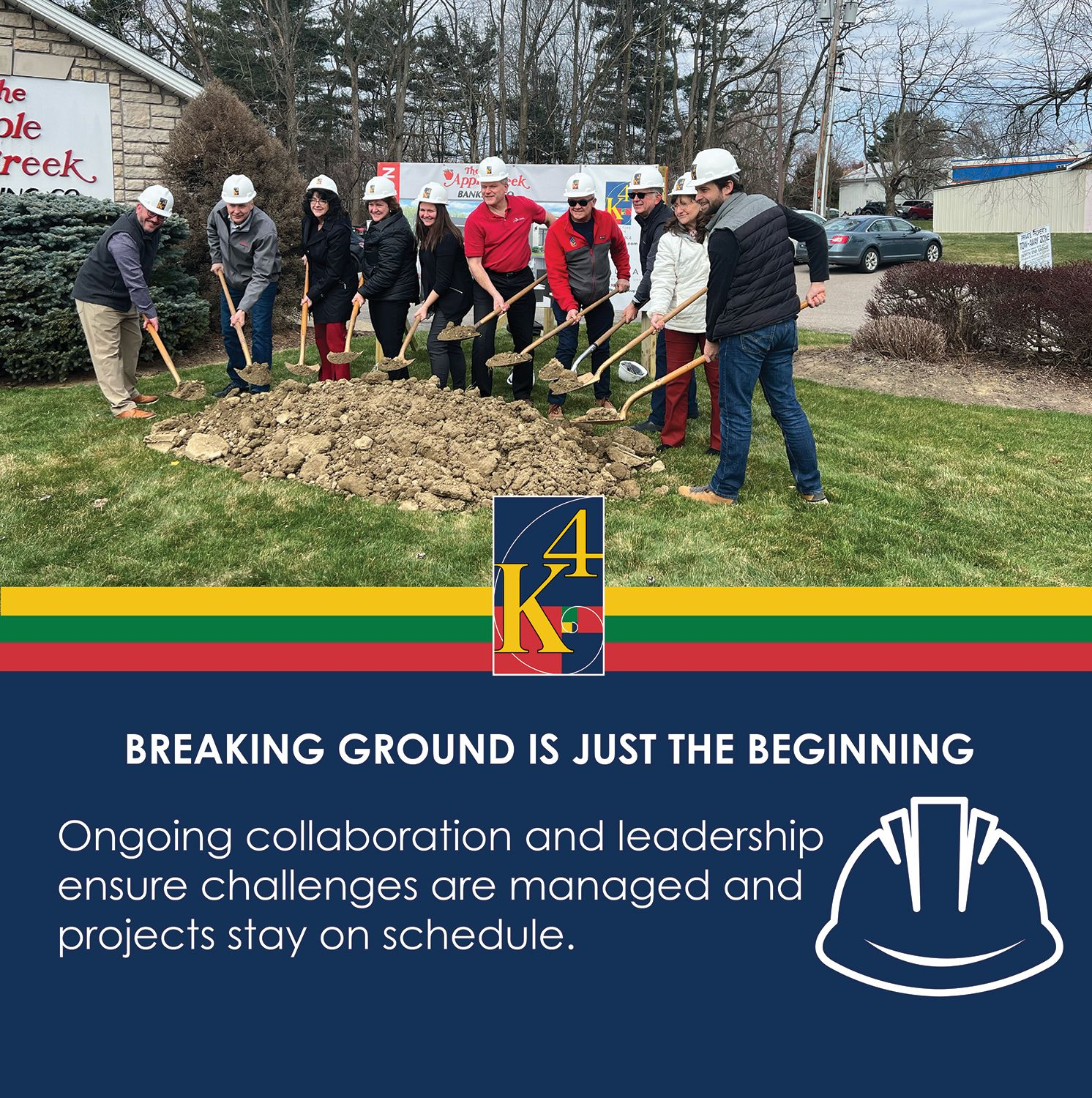
Breaking ground is a milestone, but it is not the finish line. Construction introduces a new set of variables, many of which are outside any single party’s control.
Supply chains shift. Labor availability fluctuates. Weather impacts schedules. Product substitutions may be required. At this stage, communication and coordination between the bank, architect, and contractor become critical.
Strong project leadership ensures that small issues do not become major delays. Proactive decision-making, regular progress reviews, and collaborative problem-solving keep projects moving forward without compromising quality or safety.
Banks that remain actively engaged during construction, while relying on experienced partners to manage day-to-day execution experience fewer surprises and smoother transitions into occupancy.
Building Smarter, Not Just Faster
Branch construction is not a race. It is a long-term investment that must serve customers, staff, and communities for decades. For community banks planning projects beginning in 2026, the most valuable asset is not speed, it is clarity.
By addressing these myths early, bank leadership can establish realistic expectations, protect capital budgets, reduce operational risk, and ultimately deliver facilities that align with long-term strategic goals.
At K4 Architecture + Design, we believe successful branch projects are built from understanding first - the market, the site, the institution’s goals, and the realities of execution. When myth gives way to reality, banks build smarter and more resilient facilities that support growth well beyond opening day.