Why Professional Graphic Design Still Matters in the Age of Canva & AI
Canva and artificial intelligence have dramatically changed the way organizations create marketing materials. Today, anyone can build a social media graphic, design a flyer, generate a logo concept, or create a presentation in minutes. Tasks that once required specialized software and professional education and training are now accessible to nearly everyone with a computer.
For community banks, these advancements offer benefits. Canva allows staff to create materials quickly and efficiently. AI can assist with brainstorming, content development, and production. Both have become inexpensive and widely utilized tools in the modern marketing toolkit. At the same time, creating content has become easier while maintaining a consistent brand has never been more challenging.
As AI-generated content becomes more common, consumers are also becoming more discerning. In an industry built on trust, financial institutions must consider not only the efficiency of these tools - but also how they affect authenticity, credibility, and long-term brand perception.
Canva Is a Valuable Tool - When Guided by Brand Standards
Canva has become a practical solution for content creation - using it for templated event promotions, social media graphics, employee communications and day-to-day marketing needs. It allows organizations to produce materials quickly and encourages broader participation across departments.
The challenge is not Canva itself. The challenge is maintaining a consistent brand as more people, often without formal marketing or graphic design training, gain access to design tools. Templates are designed to work for a broad audience. Your brand should reflect your unique personality, values, and market position. While a template can help create a graphic, it cannot define how your organization should be represented across every customer or community touchpoint. The most successful community banks recognize the difference between creating content and managing a brand.
The Hidden Cost of "Everyone Designing"
Design is no longer confined to the marketing department. Content is often created by branch managers, lenders, HR teams, third-party vendors, and administrative staff.
That flexibility can provide solutions, but it also increases the likelihood of brand inconsistency. Slight variations in logo usage, fonts, colors, photography, messaging, and layouts can begin to appear across marketing channels. Over time, those differences accumulate. A customer may encounter one visual style on social media, another on the website, a third on in-branch signage, and yet another in a printed brochure. Individually, these differences seem minor. Collectively, they weaken brand recognition and create a fragmented experience. Without clear standards, each person makes reasonable decisions independently, but those decisions do not always align.
Brand Inconsistency Is a Business Risk
Brand inconsistency affects more than aesthetics. It can create the following:
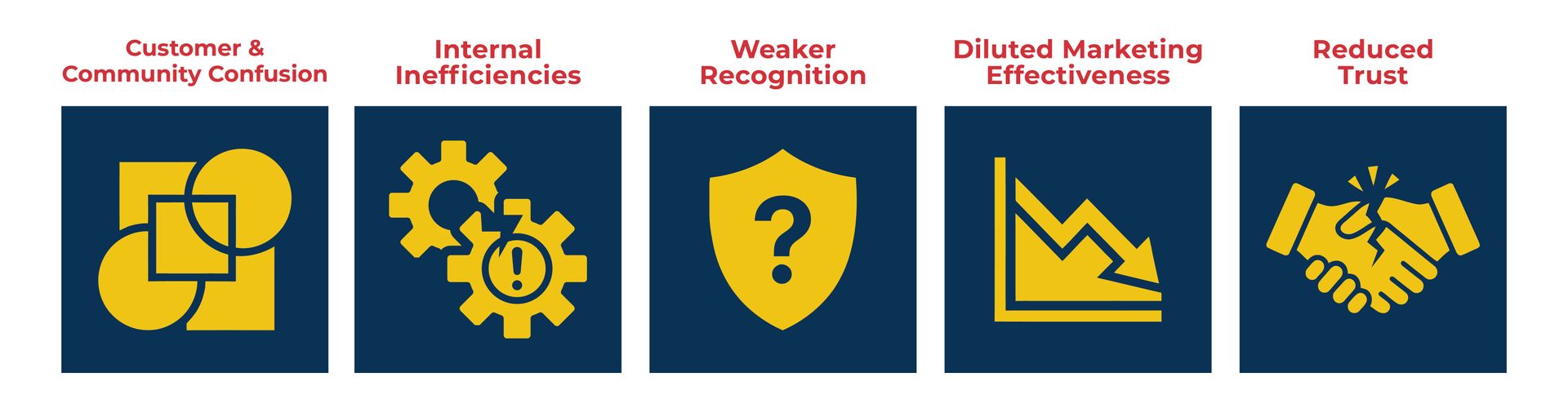
In today's environment, consumers are becoming increasingly aware of generic or AI-generated content. While they may not always identify exactly why something feels different, they often recognize when communications feel impersonal, inconsistent, or disconnected from the organization they know. Once trust begins to erode, rebuilding it becomes significantly more difficult. When branding varies significantly across channels, the institution can appear less organized, less established, and less intentional than it actually is.
Graphics and Branding Serve Different Purposes
One area that often creates confusion is the distinction between graphic design and branding. Graphics communicate a specific message. Branding provides the framework that connects every message together.
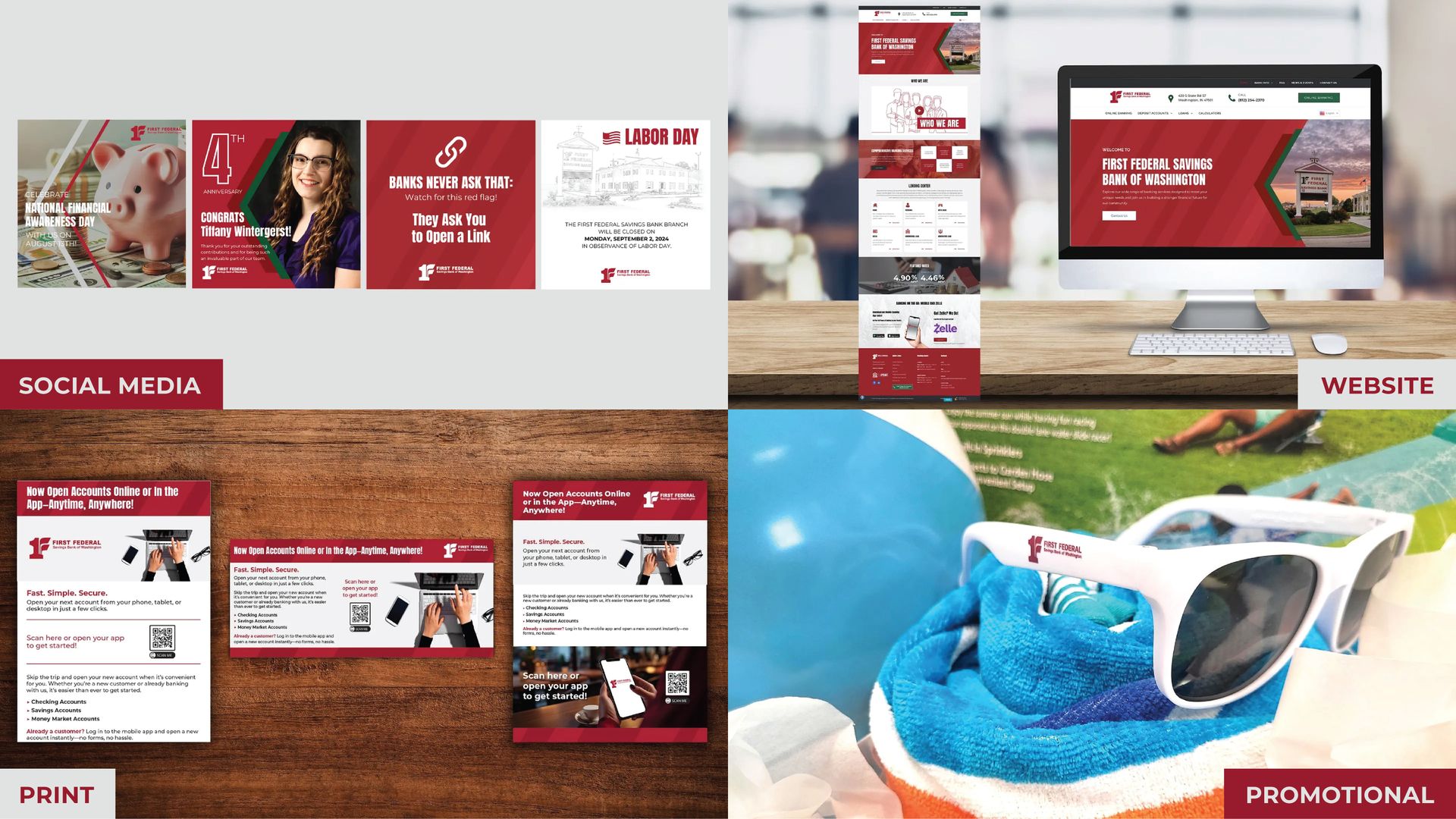
A social media post, in-branch signage, event brochure, statement insert, or digital advertisement may each serve a different purpose - but they should all feel like they came from the same institution or are siblings in the same family. Professional designers develop the systems that create that consistency. Brand standards, typography guidelines, visual hierarchy, color palettes, photography direction and messaging frameworks help ensure that every touchpoint reinforces the same brand experience.
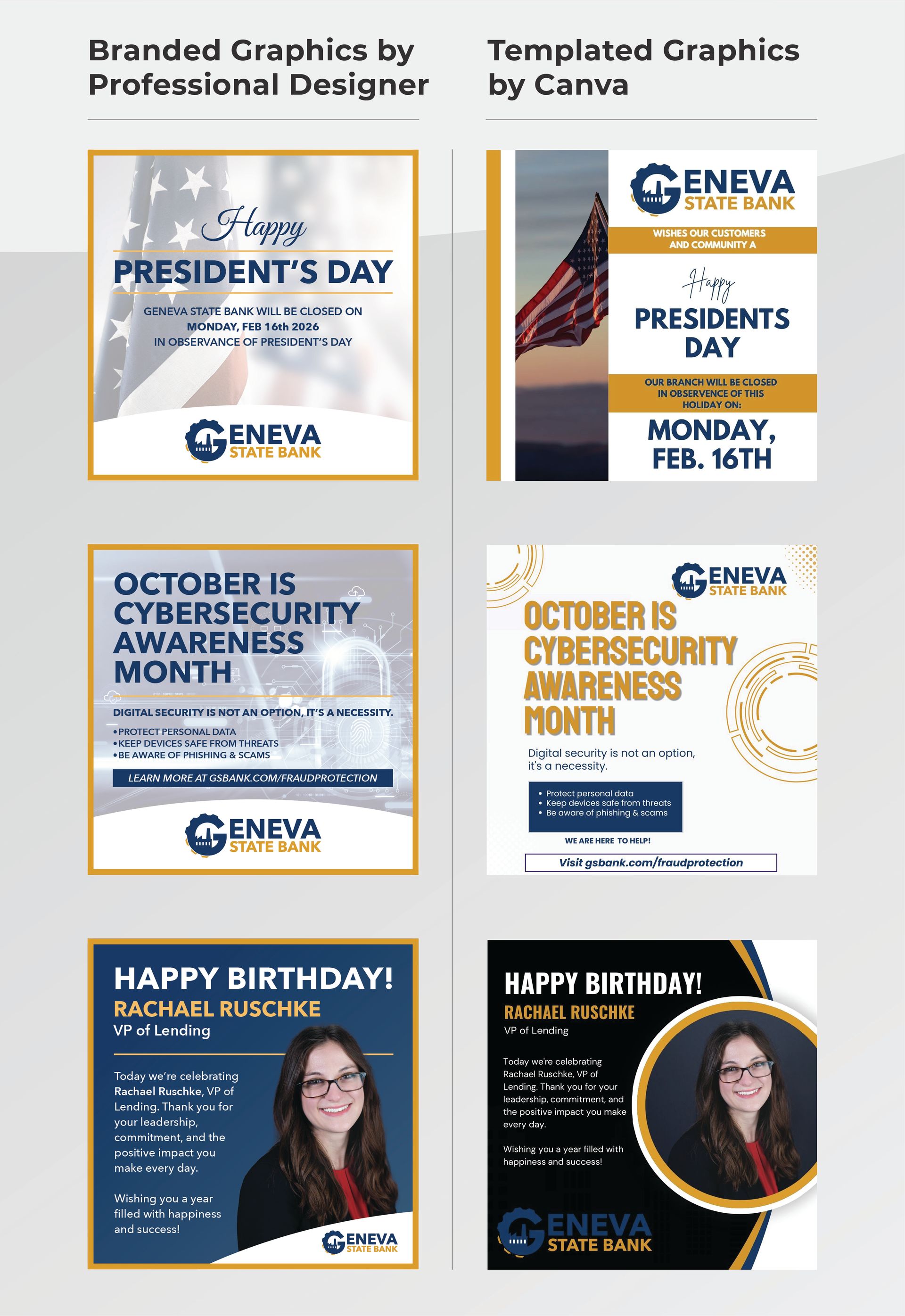
One question to ask yourself is: "Is our brand guiding Canva, or is Canva guiding our brand?" The answer often reveals whether an organization is managing its brand strategically or allowing individual pieces of content to shape brand perception over time.
Adobe vs. Canva: Different Starting Points
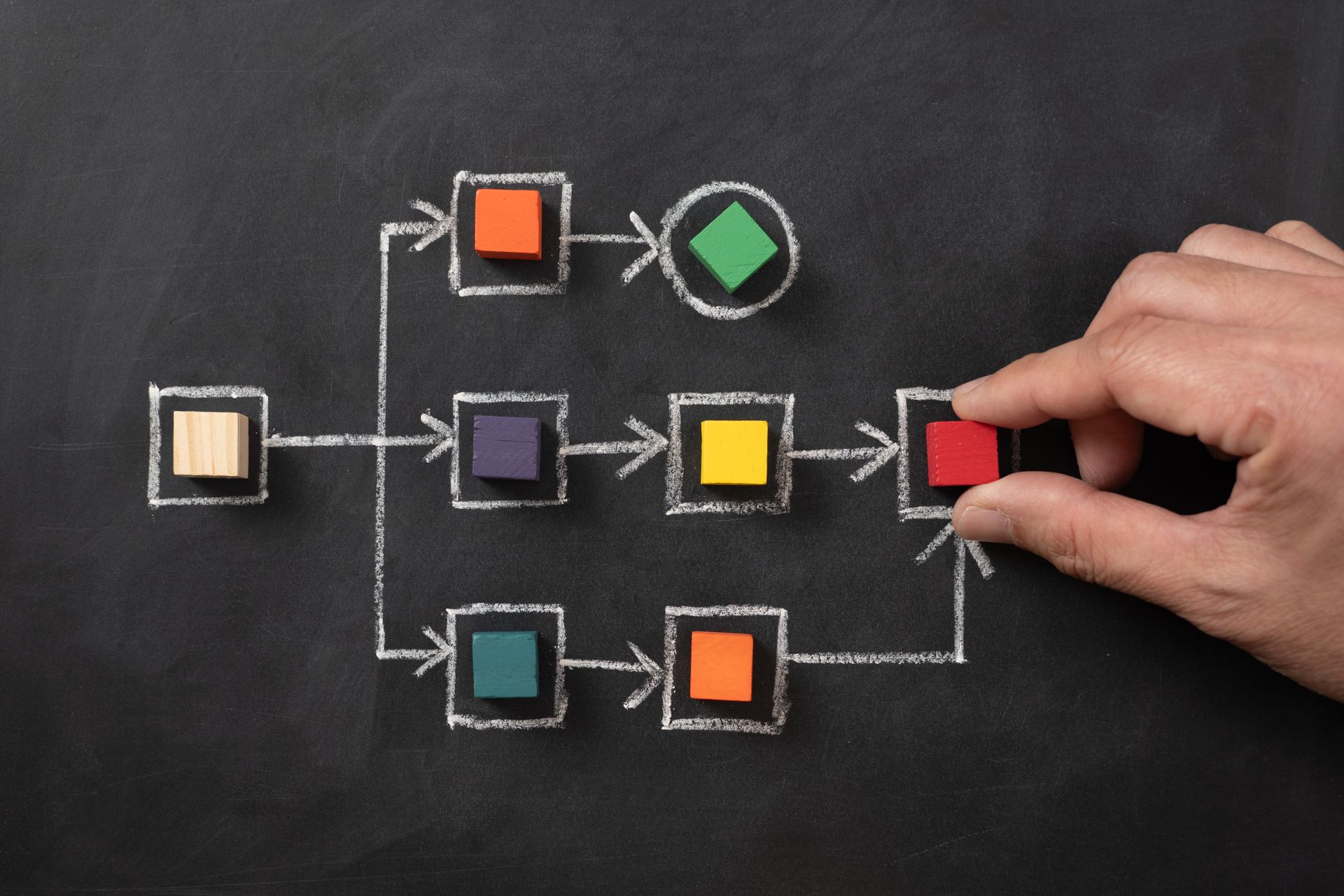
The distinction between Adobe and Canva is less about software and more about process. Canva generally begins with a template. Professional design typically begins with a strategy.
Before selecting colors, typography, imagery, or layouts - professional designers consider questions such as:
- Who is the intended audience?
- What action are we trying to sell or encourage?
- What product or service are we trying to sell?
- How does this align with the brand?
- How will this translate across physical and digital marketing channels?
- Is this particular marketing piece brand consistent?
At K4 Marketing + Branding, our designers create from scratch using Adobe Illustrator, Adobe InDesign, and Adobe Photoshop. These professional platforms provide complete control over typography, layout, imagery, production standards, and scalability across multiple applications. More importantly, they allow designers to build solutions around an institution's goals rather than adapting those goals to fit an existing template.
AI Has Benefits - But It Has Limitations
Artificial intelligence is another tool that is rapidly becoming part of the marketing process. We use AI ourselves to assist with brainstorming, concept sketching that helps communicate creative direction to our designers, and production efficiency.
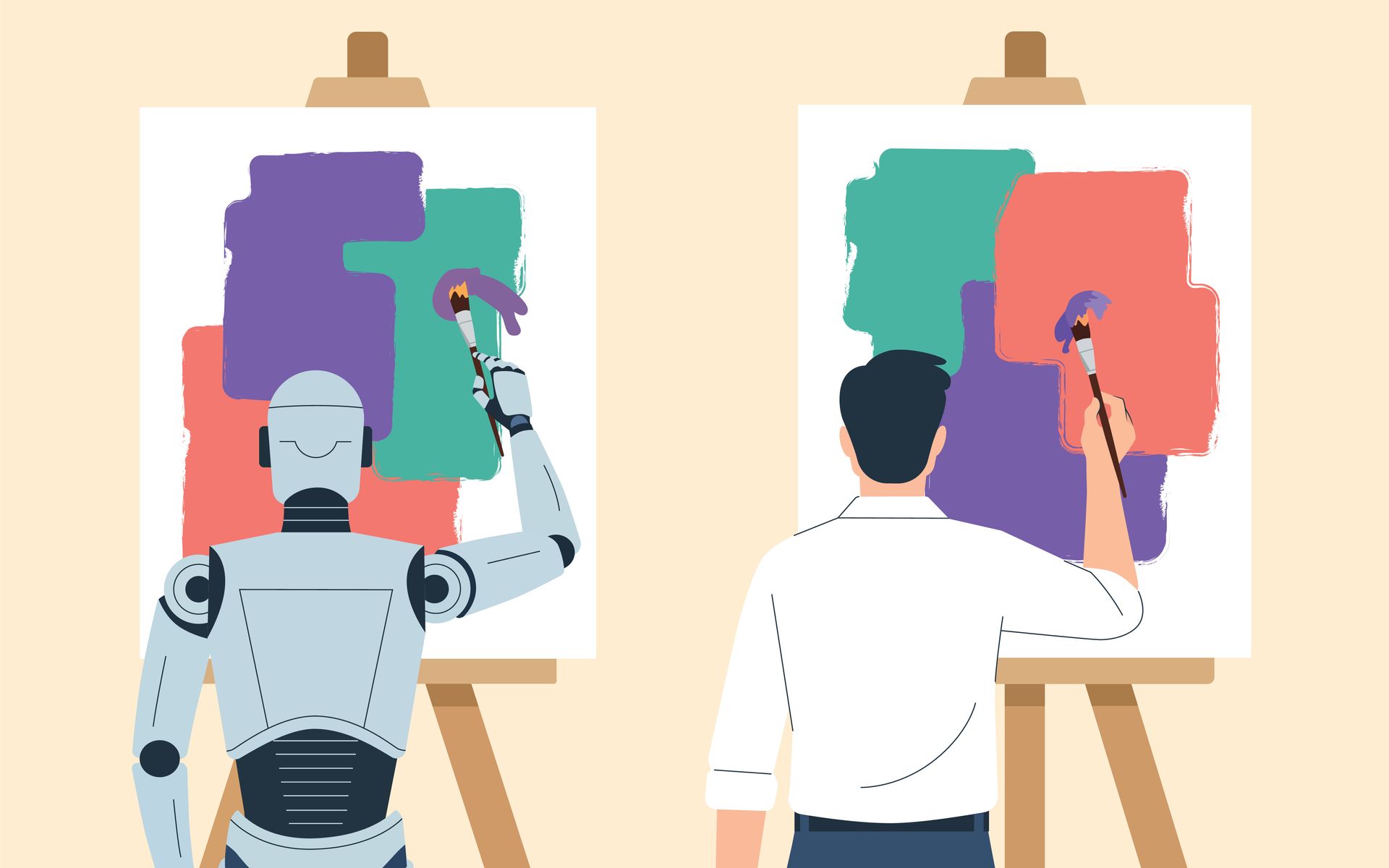
Like Canva, AI is an excellent tool - but it works best when guided by experienced professionals. It can accelerate workflows and generate ideas, but it does not understand brand strategy, compliance considerations, or how to create a cohesive experience across every customer touchpoint.
AI can generate content and design concepts. It cannot fully understand a bank's culture, its customer relationships, or the reputation an institution has earned within its community. Those strategic decisions and the human judgment behind them remain what separate “good enough marketing” from great branding. Those decisions still require human insight and interpretation to branding application.
Why Leadership Should Care
This discussion extends far beyond marketing. A strong brand is an organizational asset that helps financial institutions:
- Improve recognition and trust
- Align marketing efforts
- Create brand consistency
- Support growth and expansion
Whether launching a new product or service, entering a new market, redesigning a website, introducing a remodeled branch or new technology - a well-defined brand system keeps the organization aligned. Staff understand how to represent the brand, vendors have clear standards to follow, and customers experience the same level of quality and professionalism at every touchpoint. That consistency saves time, reduces confusion, and builds confidence.
The opposite is also true. Brand inconsistency creates risk - especially for community banks focused on growth. Customers begin to question credibility, employees make inconsistent decisions, and marketing investments lose effectiveness because the brand is no longer working as a unified system.
For community banks, trust is the foundation of every relationship. When the brand feels fragmented or inconsistent, it introduces friction at the very moments customers expect confidence, clarity, and reliability.
The Long-Term Value of Professional Design
Most successful organizations use a combination of professional design, templates, and technology. Each serves a purpose.
The goal is not to replace professional design with AI or Canva - it is to empower them. Professional designers establish the foundation. Brand standards provide structure. Canva and similar tools help teams execute more efficiently within that framework. AI assists with production and ideation. When those elements work together, institutions gain the benefits of speed and efficiency without sacrificing consistency.
For community banks - choosing professional design services supports integrity, brand recognition, trust, credibility, and long-term growth. The institutions that stand out over time are rarely the ones producing trendy content or the most content. They are the ones presenting a clear, recognizable, and consistent brand experience wherever their customers & community engage with them.